New
Perfectly in tune. Find purpose-built comfort in versatile hiking pieces tailored to each step.
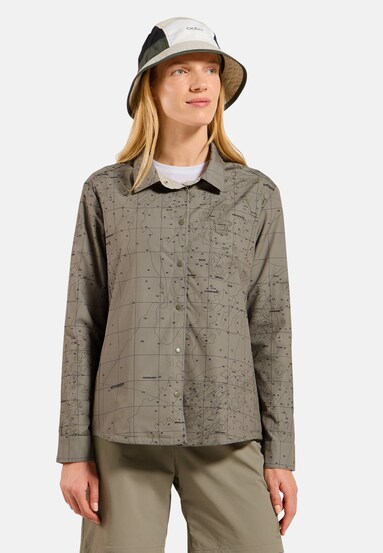
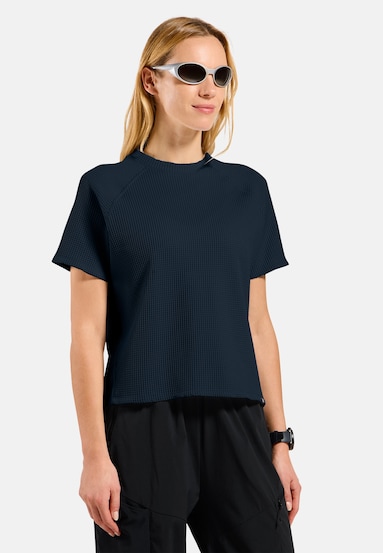
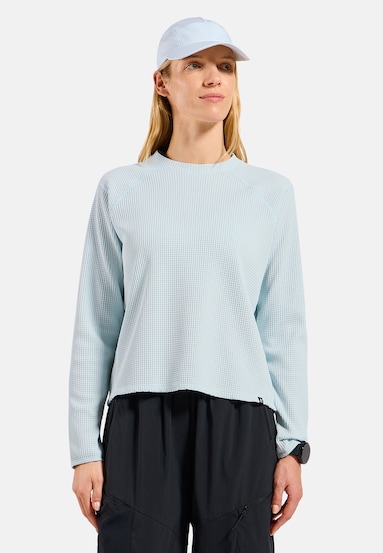
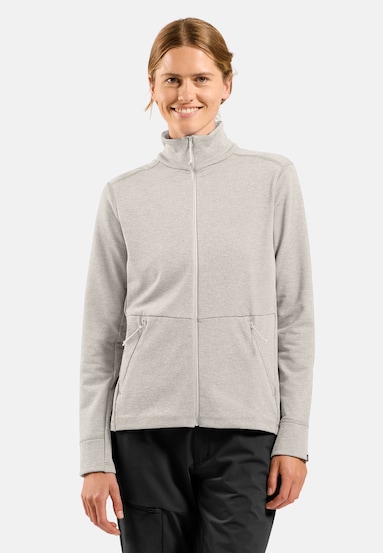
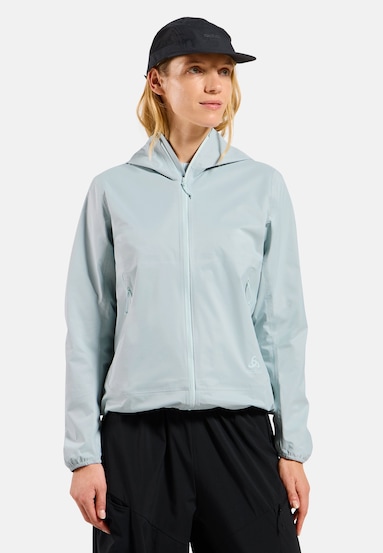
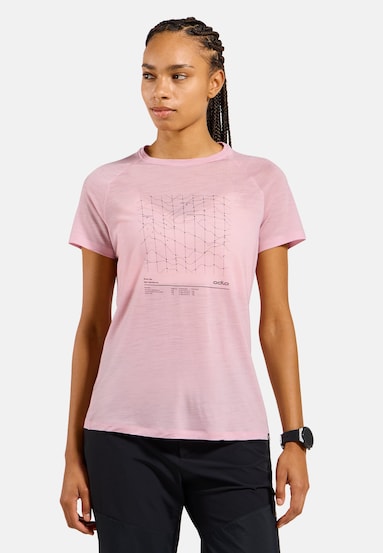
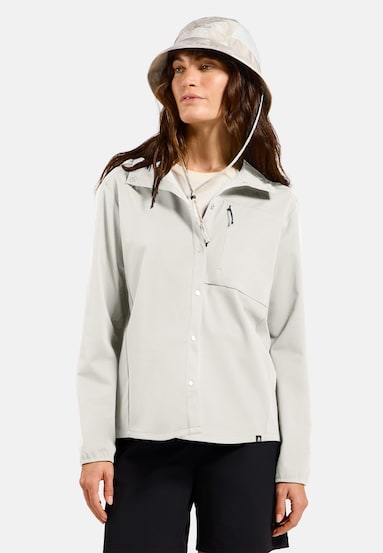
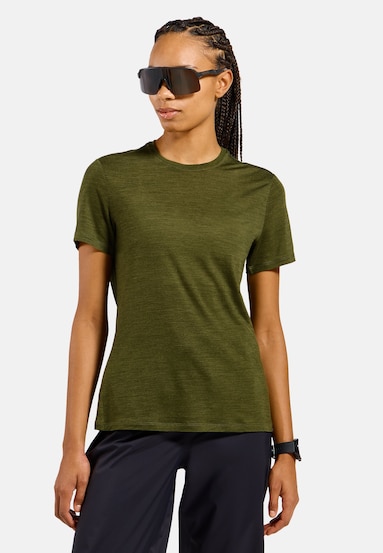
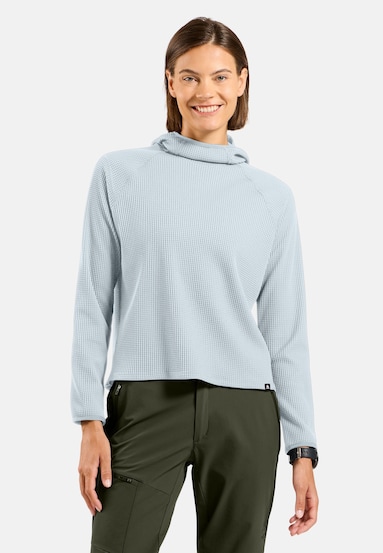
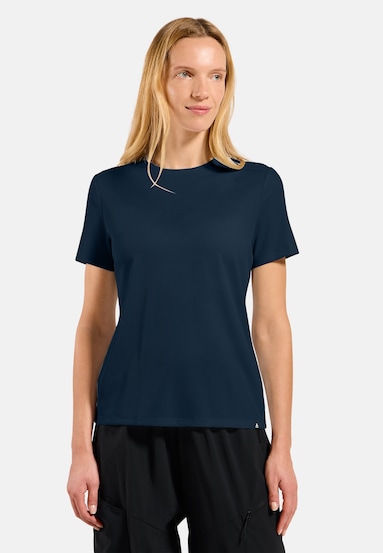
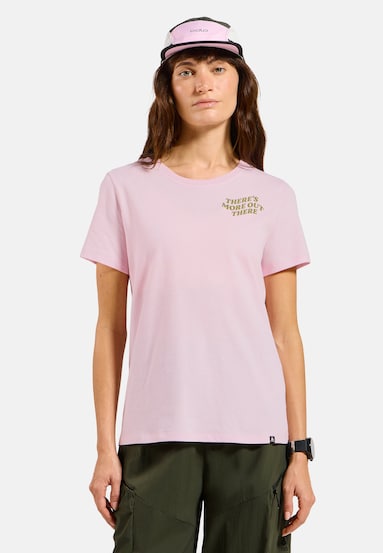
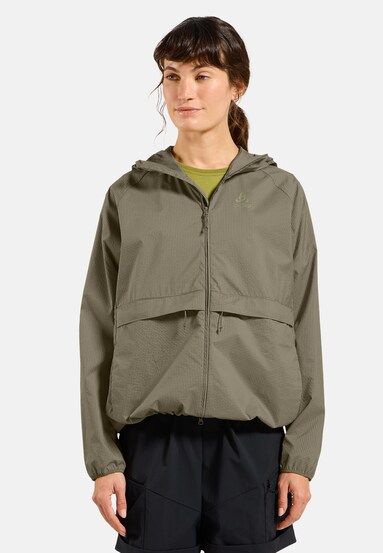
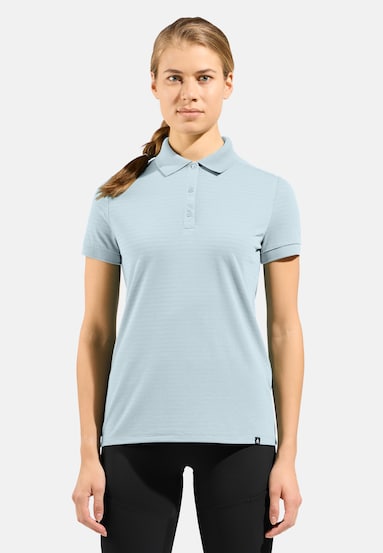
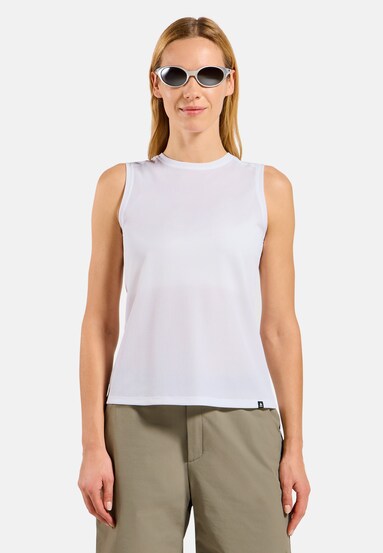
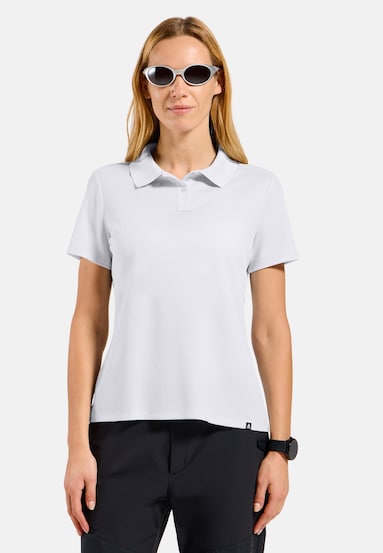
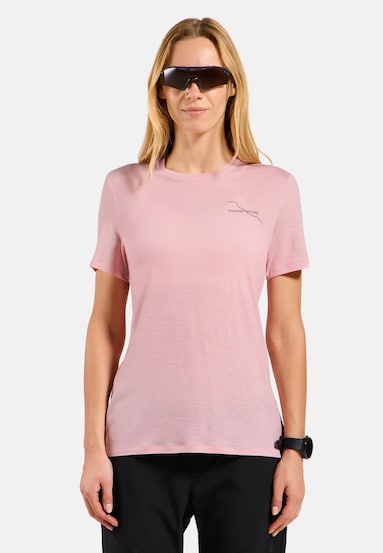
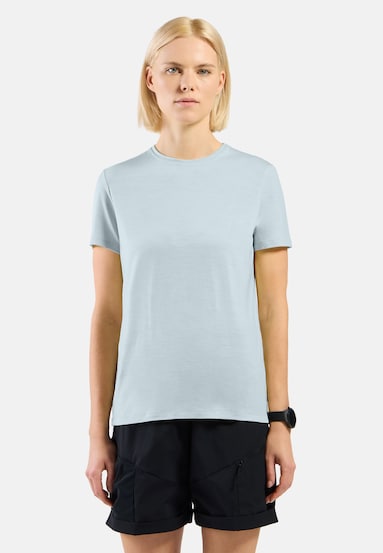
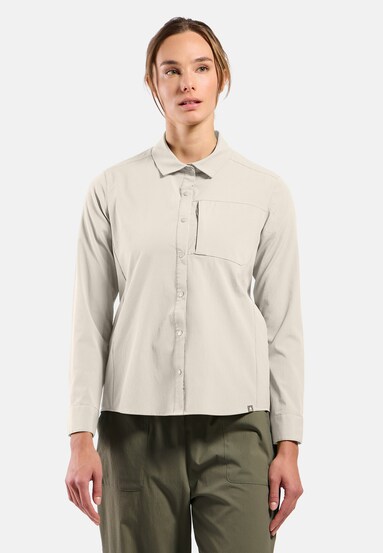
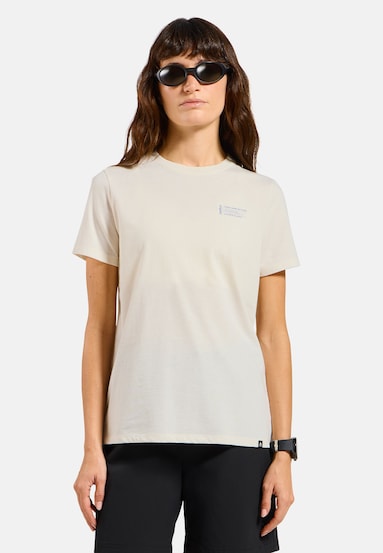
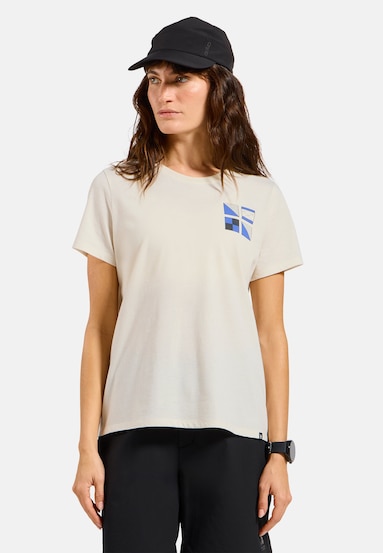
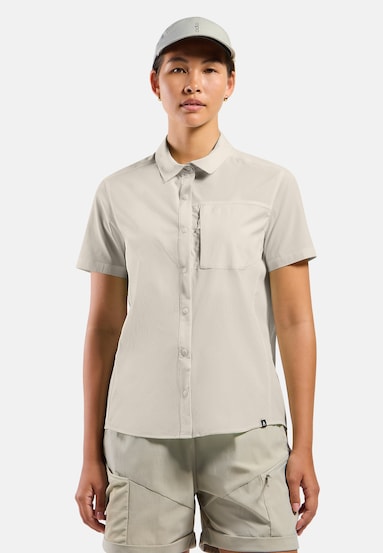
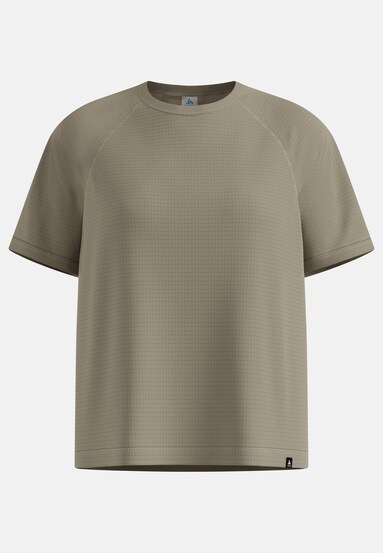
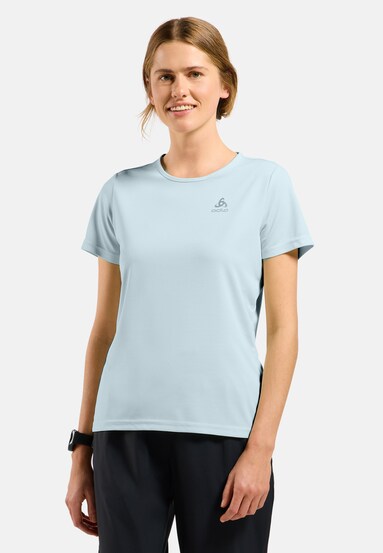
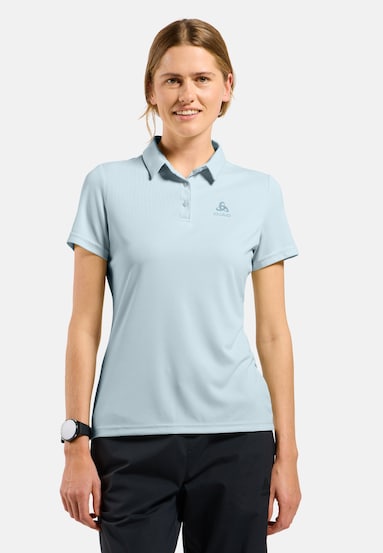
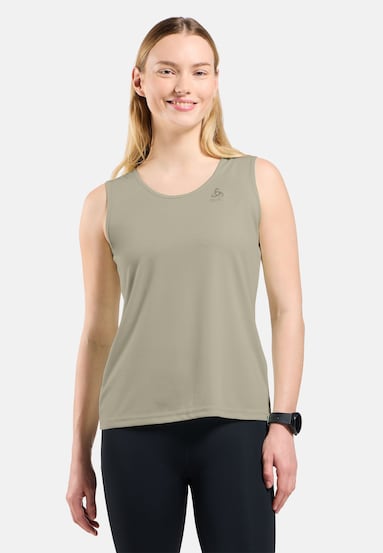
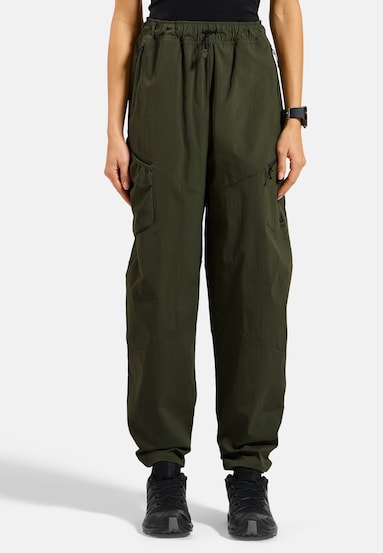
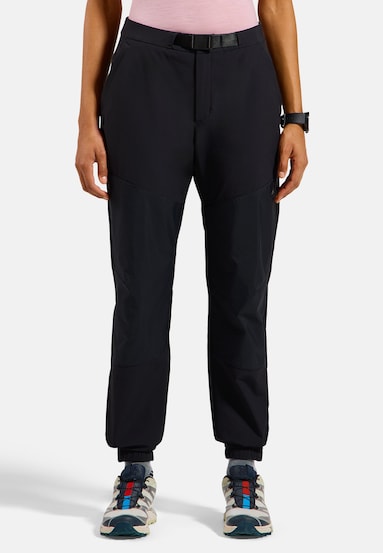
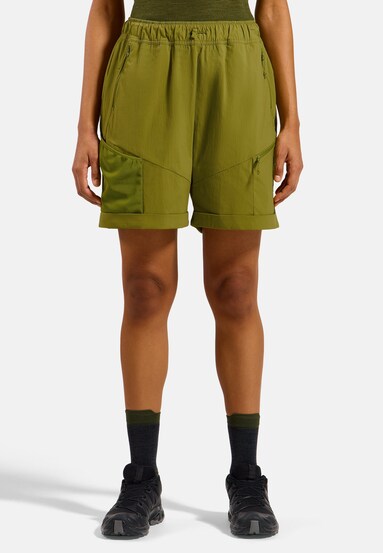

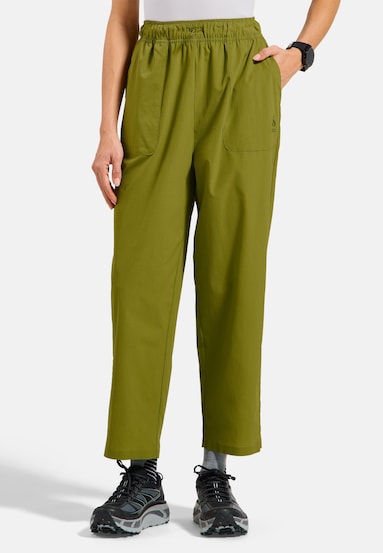
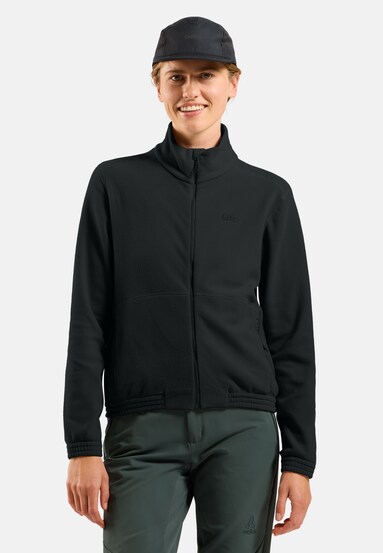
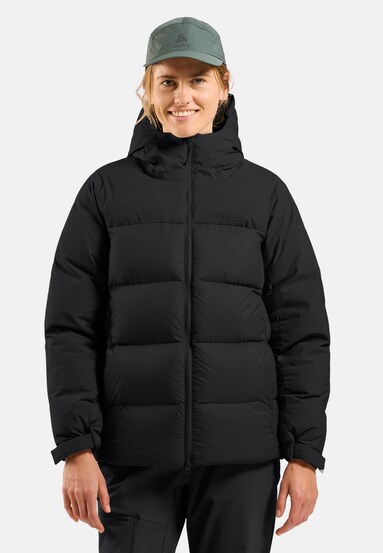
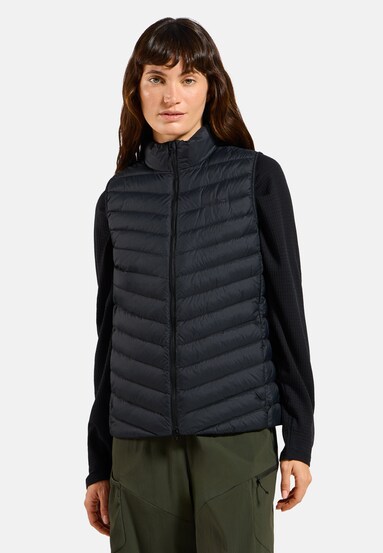
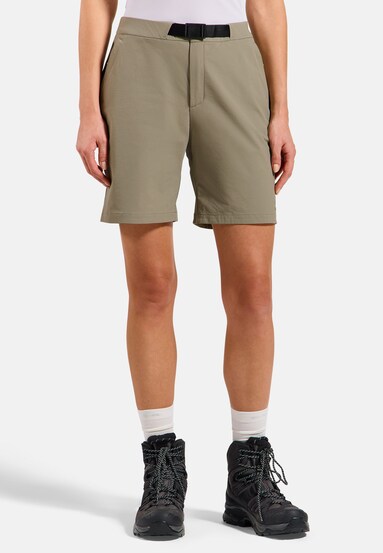
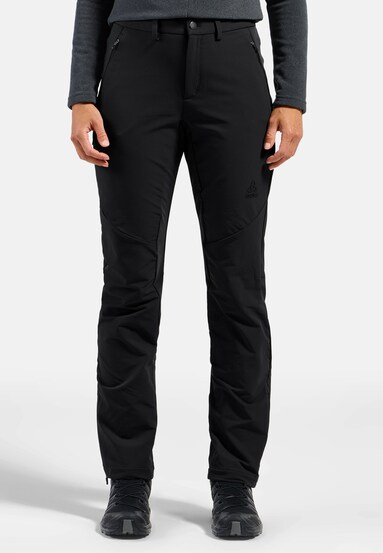
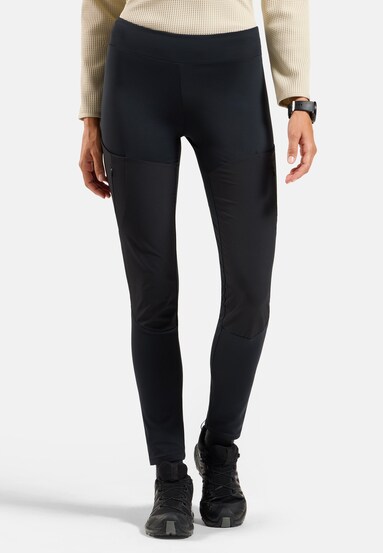
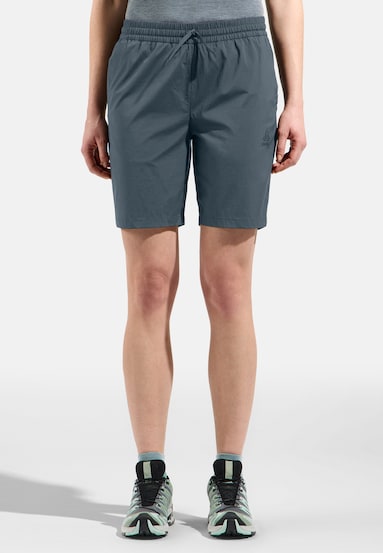
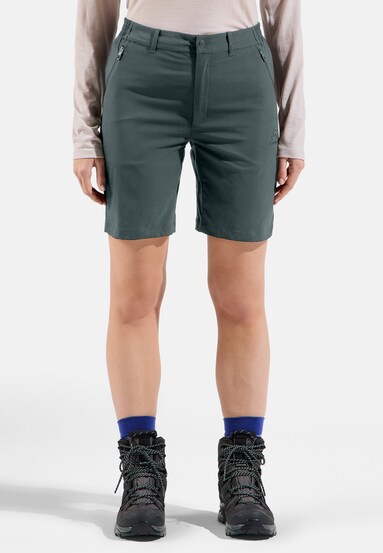
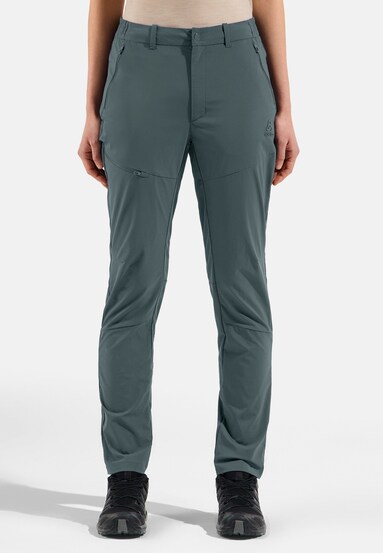
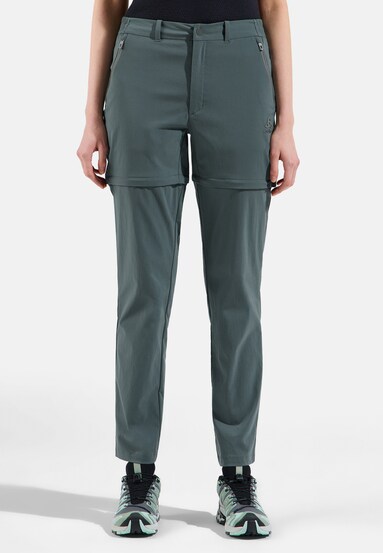
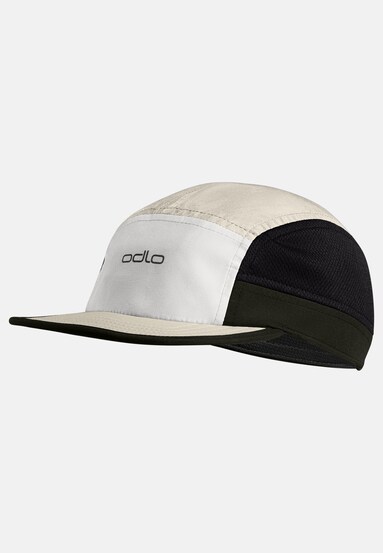
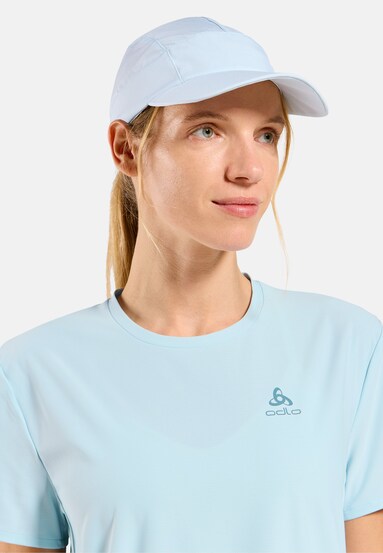
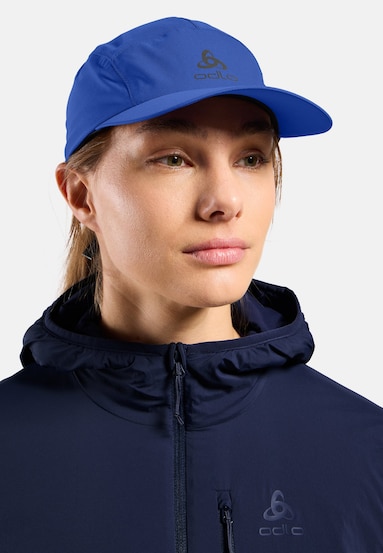
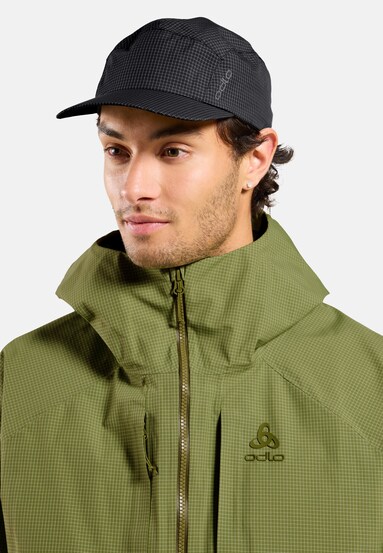
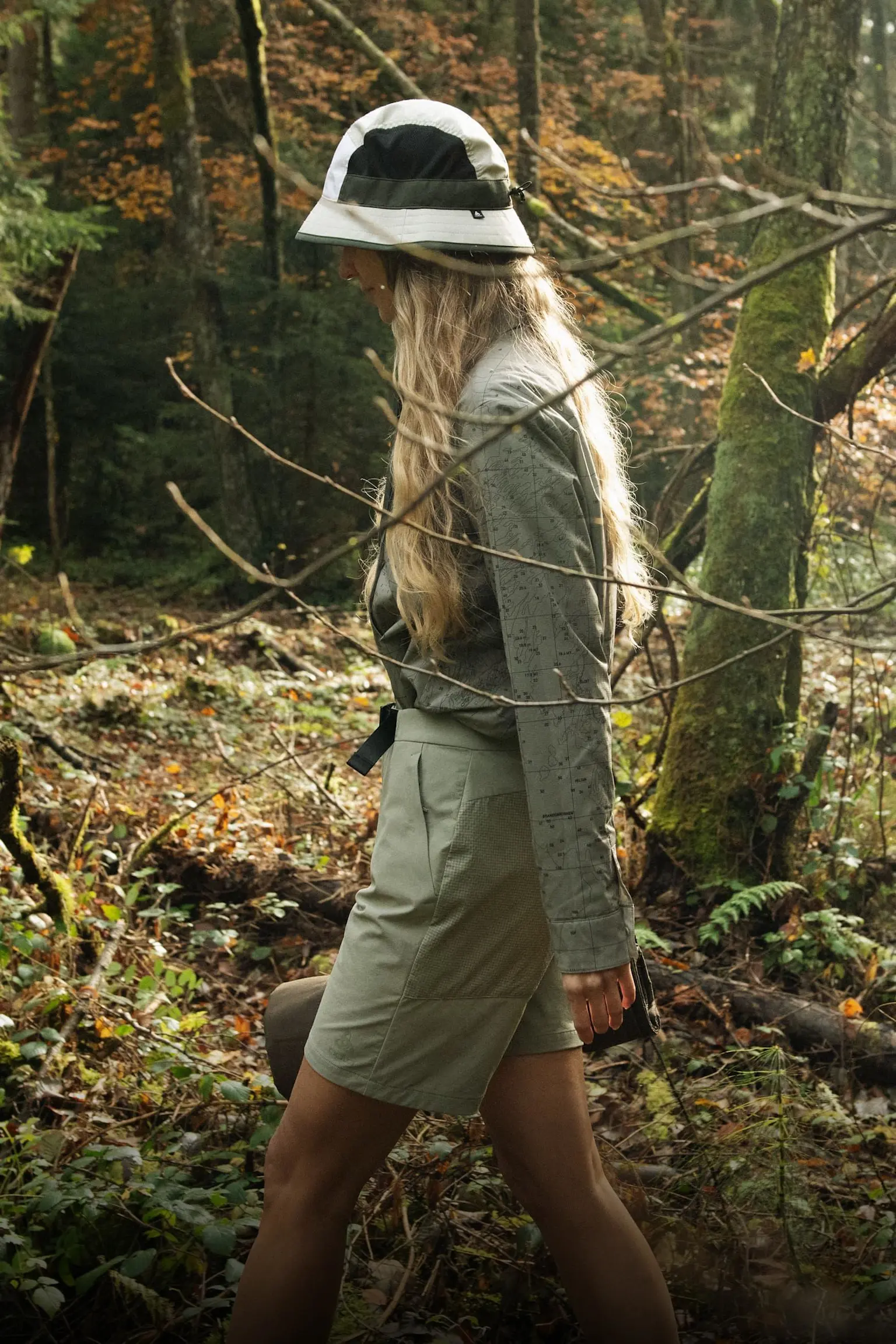
Choosing the right women's hiking clothing is choosing the comfort of your whole day on the trail. The ideal outfit rests on three pillars: a technical base layer that moves sweat away from your skin, a mid-layer that retains warmth without weighing down your pack, and a protective outer layer suited to the conditions. For hiking — as for any mountain activity — quick-drying synthetic fabrics and Merino wool are clearly superior to cotton, which holds moisture and chills the body when you stop. Invest in versatile pieces you can layer according to altitude and the weather.
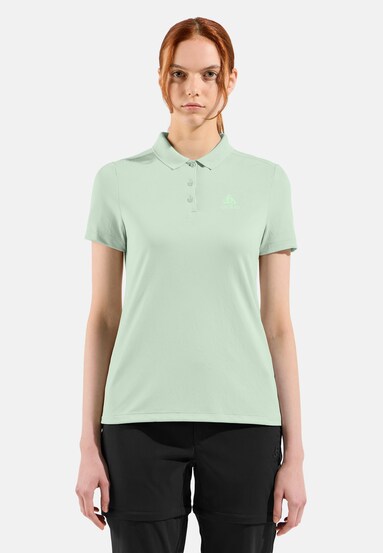
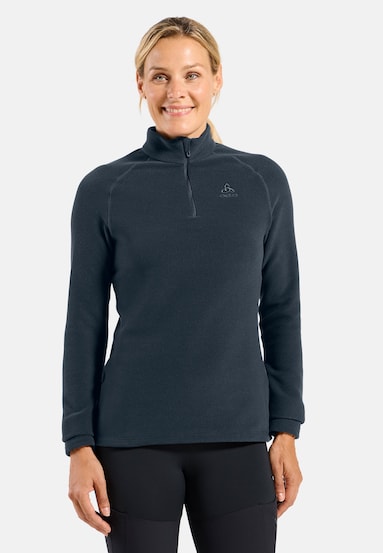
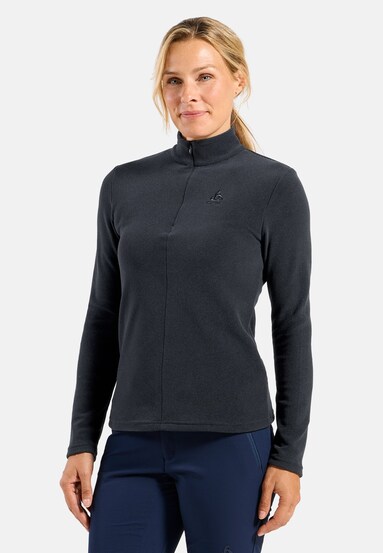
A complete women's hiking outfit is built around the three-layer principle. As a first layer, choose a technical base layer — in lightweight Merino or quick-wicking recycled polyester — that stays dry against your skin even on demanding climbs. As a mid-layer, a micro-fleece or synthetic half-zip provides the thermal insulation you need during rest stops and on exposed ridges. As an outer layer, a lightweight windproof or waterproof jacket shields you from gusts and sudden showers without trapping heat.
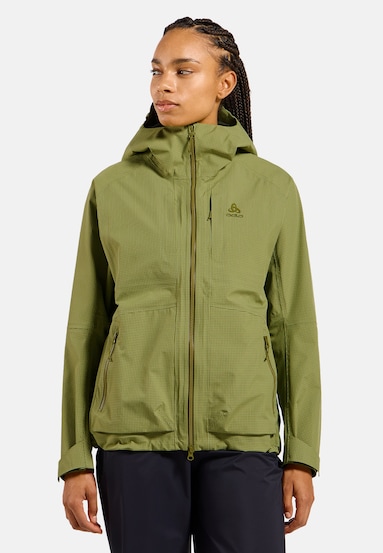
Not necessarily — but room to layer is an important factor. If you regularly wear a thick mid-layer under your jacket, go up a size to keep full freedom of movement at the shoulders and arms. A well-fitted jacket, on the other hand, minimises dead air zones and reduces fabric flapping in strong winds. Odlo designs its hiking jackets in an athletic, slightly close-fitting cut; if you're between two sizes, choose the larger one so you can wear multiple layers comfortably. The key test: you should be able to raise both arms above your head and take long uphill strides without feeling any tension.
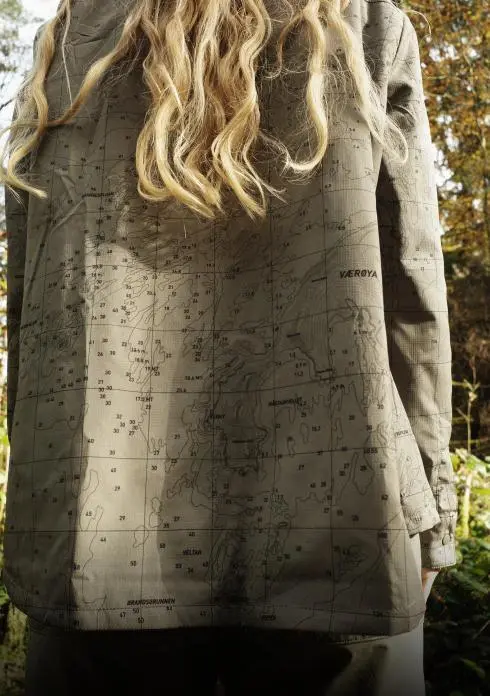
The best hiking jacket depends on the season and the terrain. For changeable mountain conditions, a hardshell jacket with a water column rating of at least 10,000 mm and high breathability is the right call — it keeps you dry in rain while preventing overheating on the climb. For cool, dry days, a stretch softshell with a light lining offers more comfort and freedom of movement. We design our hiking jackets with taped seams, an adjustable hood and a PFAS-free DWR treatment for durable, environmentally responsible protection. In summer, an ultralight windbreaker packable into its own pocket is often the best balance between protection and weight for women on the trail.
The water column rating measures a fabric's resistance to water pressure: 10,000 mm is enough for standard showers, while a 20,000 mm jacket suits severe alpine conditions or long days in heavy rain. For most forest or mid-mountain hikes, a 10,000 mm jacket is more than sufficient, provided the seams are sealed and the collar is well protected by an adjustable hood. For high-mountain hiking or multi-day routes, choose a three-layer jacket with high breathability (measured in g/m²/24h) to prevent internal condensation during intense effort. Regularly refreshing the DWR treatment extends the waterproof performance of the fabric over time.