Quick Guide:
What is the Shifting Elements collection?
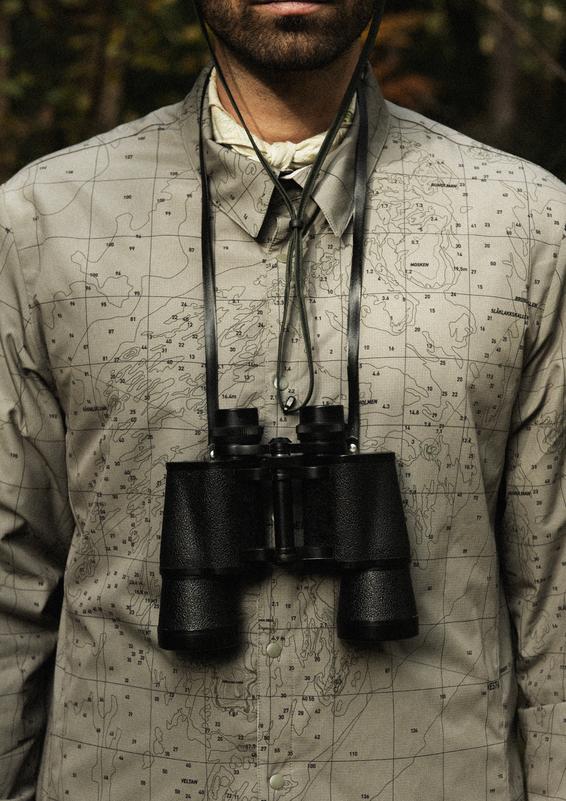
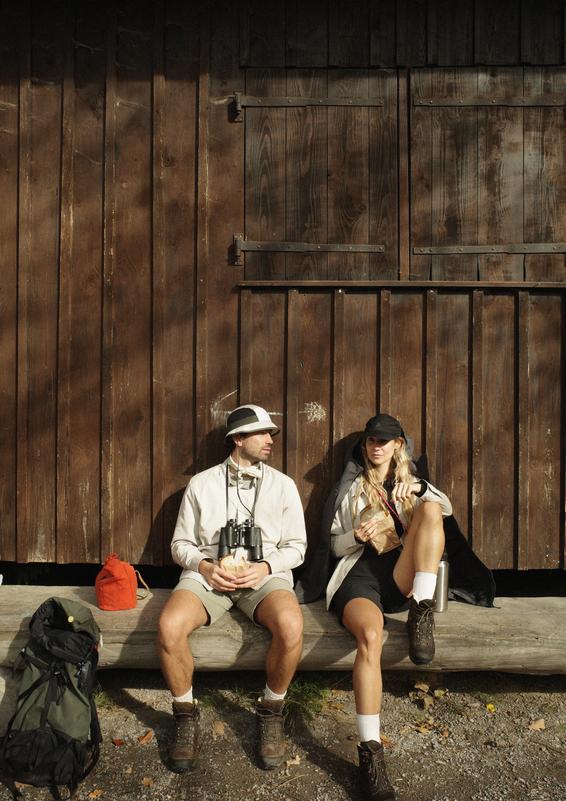
The Odlo Shifting Elements collection is designed for unpredictable transitional conditions — from cool, damp mornings to warm spring or autumn afternoons. It pairs technical outer layers with thermoregulating merino base layers for next-to-skin comfort. Together, they form an adaptive layering system that adjusts as conditions change throughout the day.
What is the layering principle in clothing?
The layering principle works when each garment serves a distinct purpose. For outdoor activities in transitional seasons:
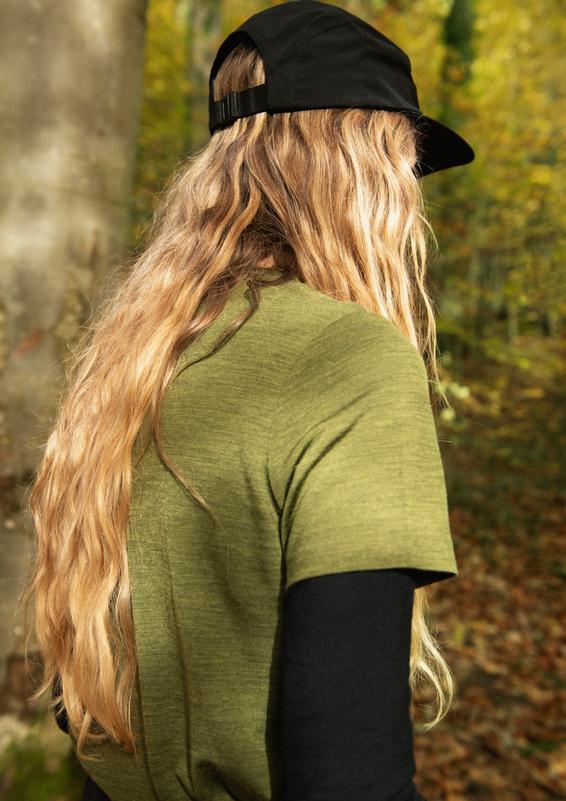
First layer (base layer): Manages moisture directly against the skin. The merino shirts in the Shifting Elements collection use 200 gsm virgin merino wool, which is thermoregulating and odour inhibiting — meaning constant comfort and no odour build-up even on longer outings. Pro Tip: Perfect for light backpacking on weekend hikes.
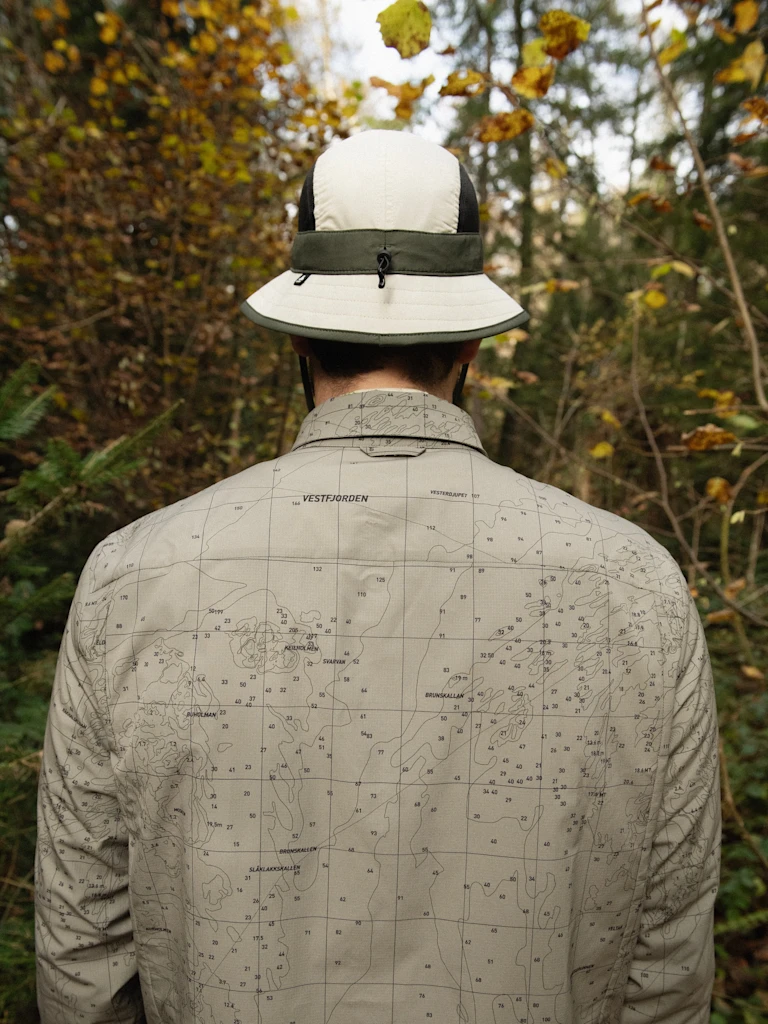
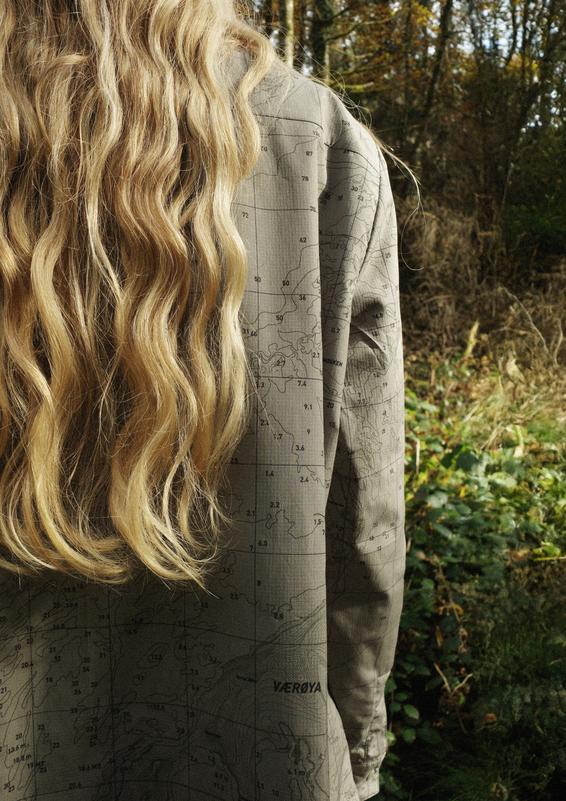
Second layer (mid layer): Retains warmth when temperatures drop. The collection's reversible long sleeve shirt even allows for two distinct wearing options: bold graphic or clean solid.
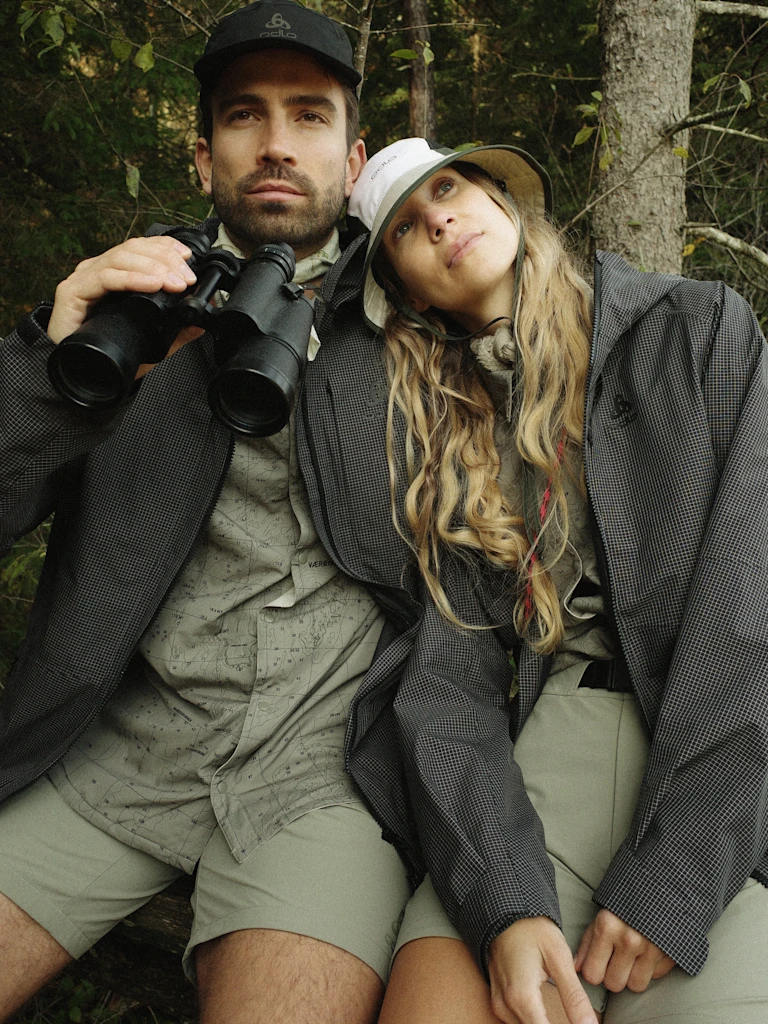
Third layer (outer layer): Protects against wind and moisture. The nylon ripstop construction was developed for changeable spring and autumn weather — light enough to wear and strong enough to perform when unexpected rain or wind arrives.
How does the layering system work for outdoor activities?
The layering principle means wearing multiple functional garments, each with a specific job, so you can adapt to changing temperatures and weather conditions by adding or removing pieces. For hiking or exploring in spring and autumn, this typically means three layers: a moisture-managing base layer against the skin, a warmth-retaining mid layer, and a wind- and weather-resistant outer layer.
The Shifting Elements collection is built around exactly this principle. Each piece plays a clear role within the system — and works equally well as a standalone when conditions allow.
What hiking bottoms work best for spring and autumn conditions?
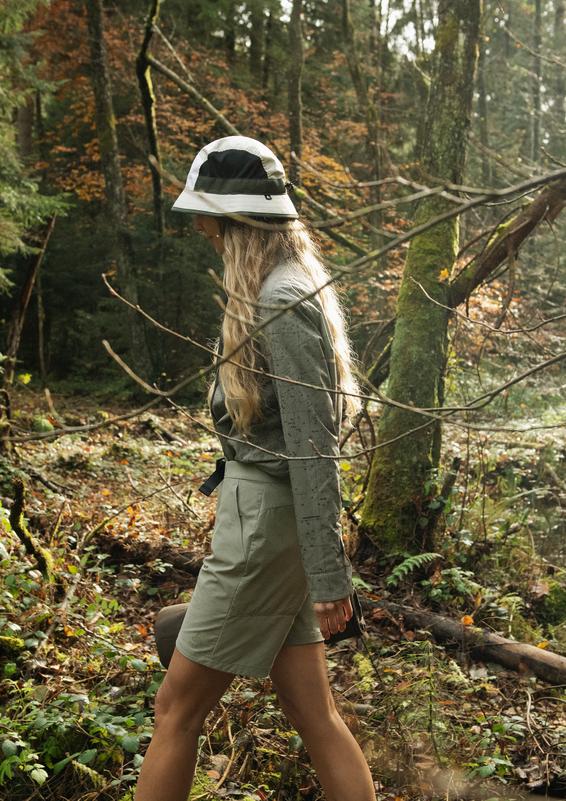
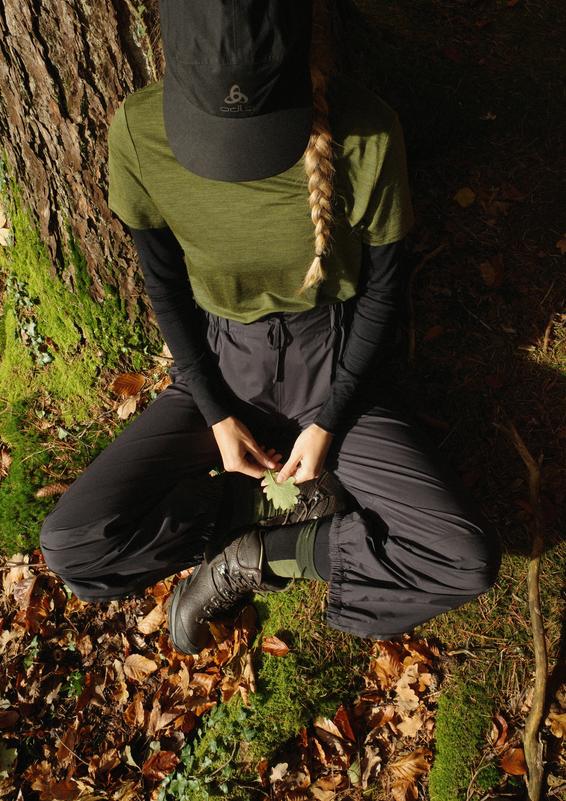
Spring and autumn hiking demands bottoms that handle wide temperature swings, wet terrain and unpredictable weather changes. The right pair shares three characteristics: Choose abrasion-resistant materials like ripstop nylon, which holds up against wet undergrowth, rock faces and trail debris. Look for an athletic cut that allows full freedom of movement across steep terrain or long days on trail.
Building your between-season outfit from the inside out
Start with a merino base layer — this weight hits the sweet spot for transitional activities. It's warm enough for cool mornings but won't overheat when the pace picks up. Merino regulates body temperature and resists odour development, making it the first choice for multi-day trips or travel with minimal gear.
Add an insulating mid layer when temperatures drop below 10°C or when you're planning longer rest periods. In milder conditions, skip the mid layer and go straight to the ripstop outer.
Close the system with a waterproof jacket that you can quickly open or stash in your pack as temperatures rise.
Why merino for spring and autumn outdoor clothing?
Merino wool is the most versatile material for active outdoor use in transitional seasons. Unlike synthetic fibres, merino regulates body temperature in both directions: it retains warmth in the cold and releases moisture efficiently during high-output activity.
The merino shirts and layers in the Shifting Elements collection are made from virgin merino wool at a 200 gsm weight — the ideal mid-weight for spring and autumn outings.
Warm enough for rest stops, light enough for sustained effort. Merino's antimicrobial properties also mean you can wear the same piece for multiple days without odour building up, making it especially valuable for multi-day hikes or light-pack travel.