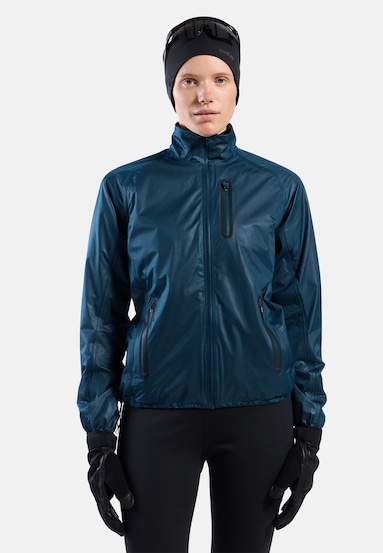
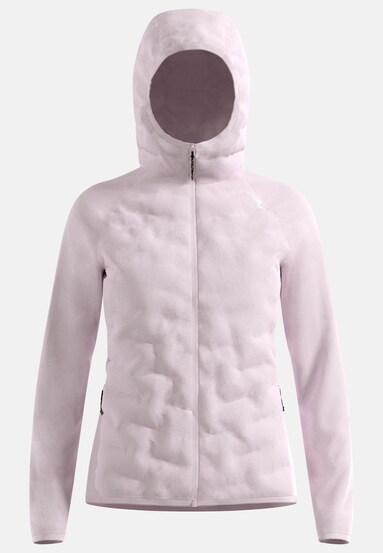
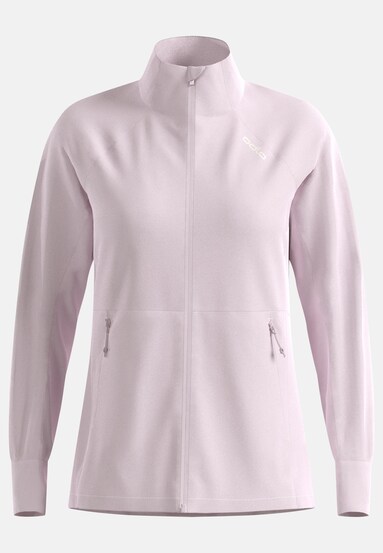
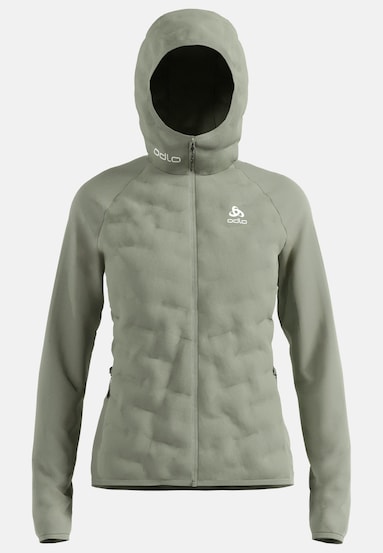
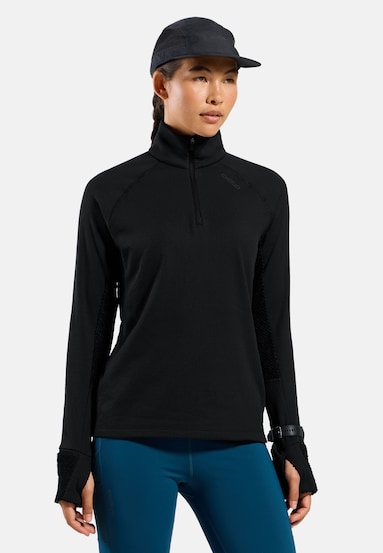
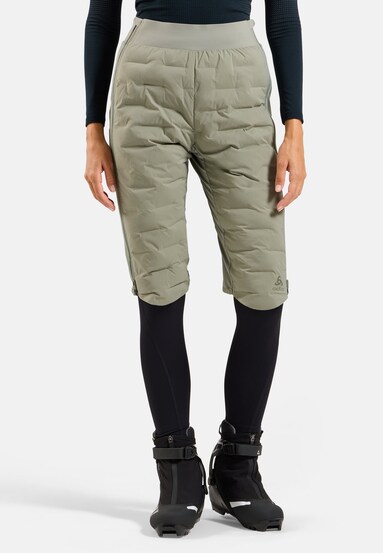
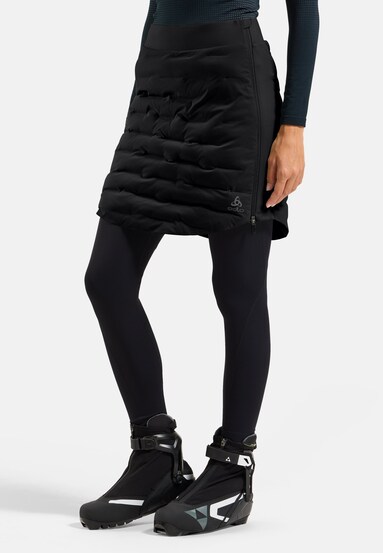
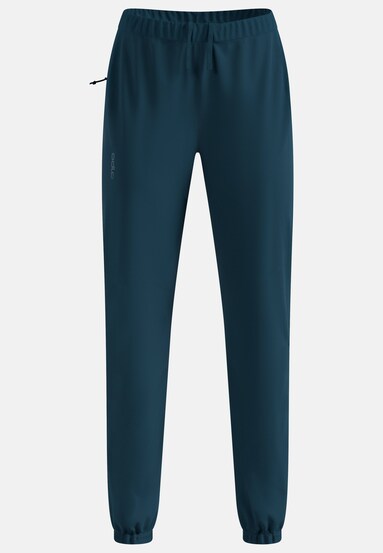
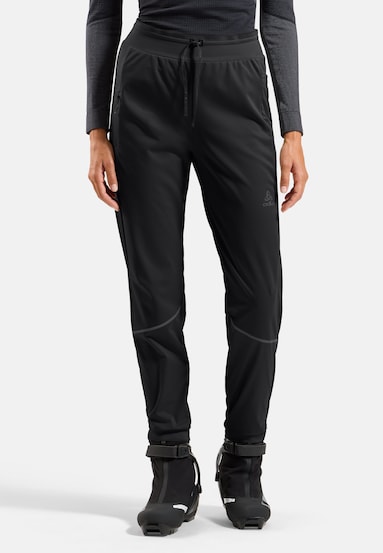
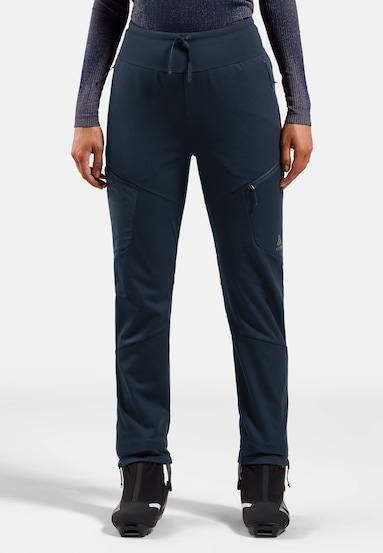
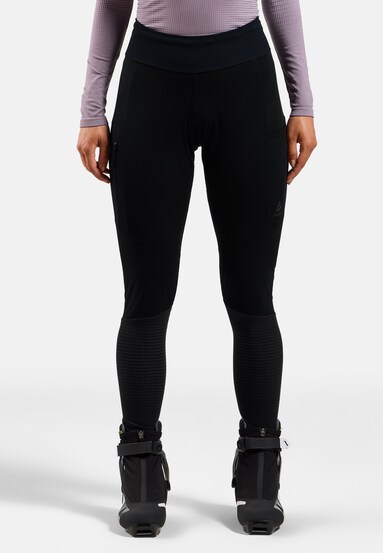
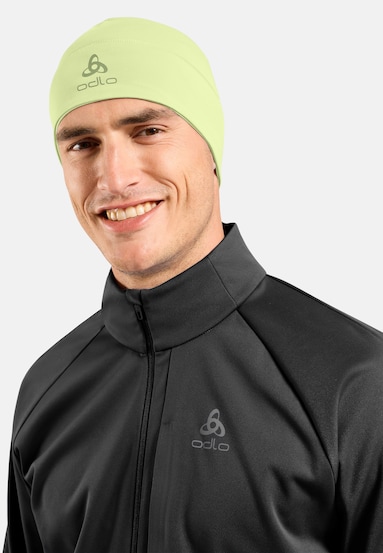
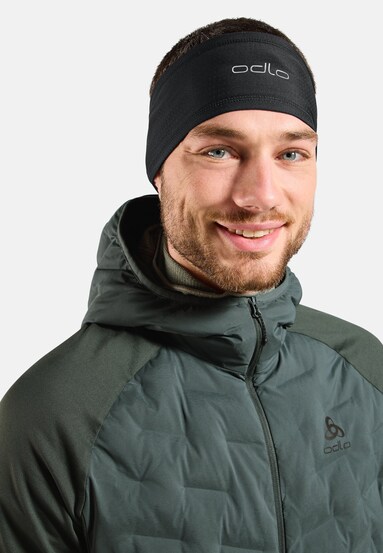
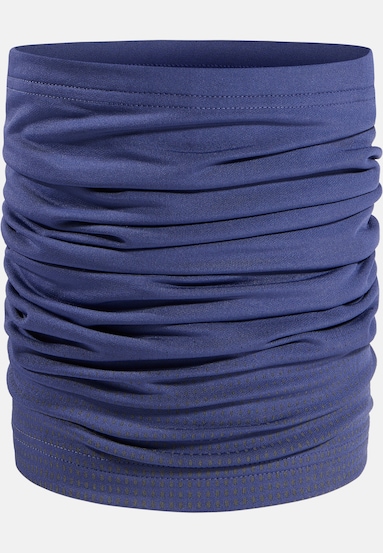
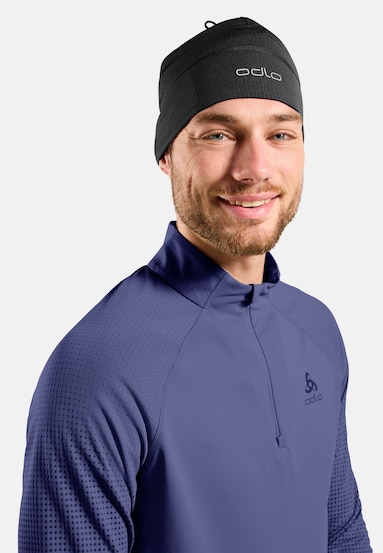
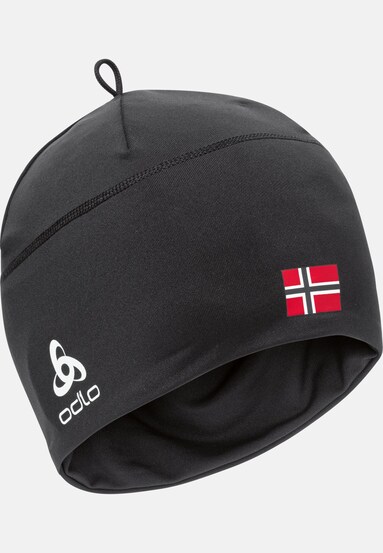
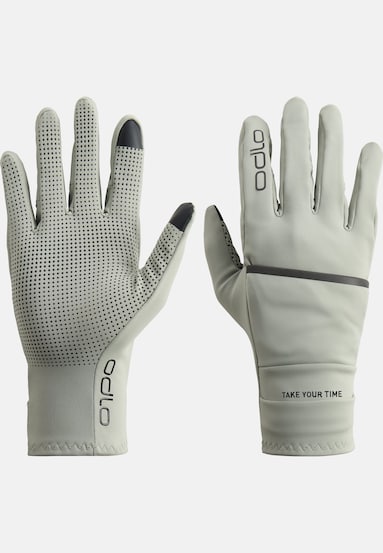
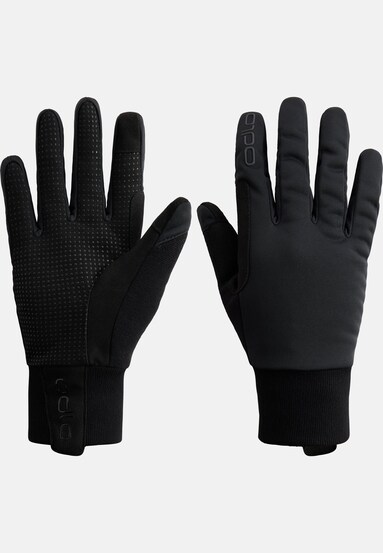
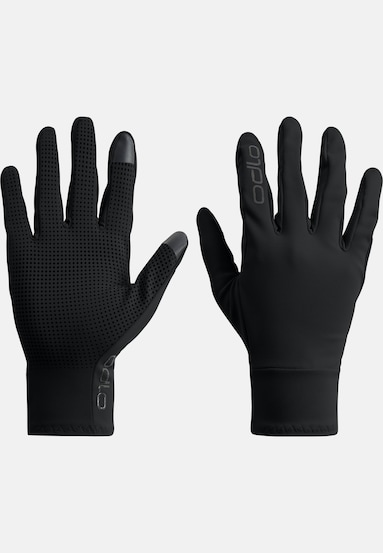
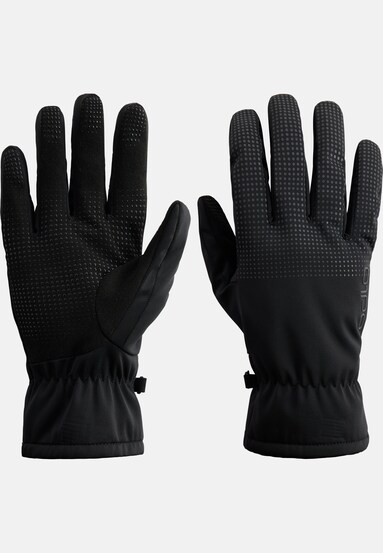
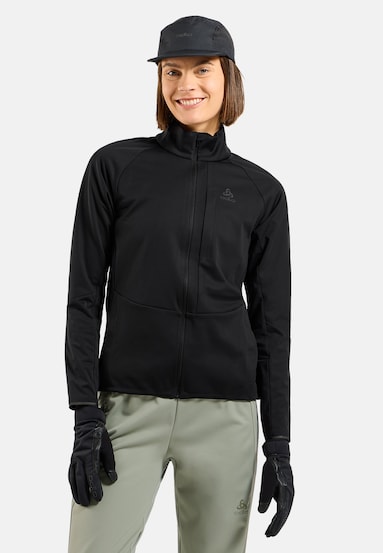
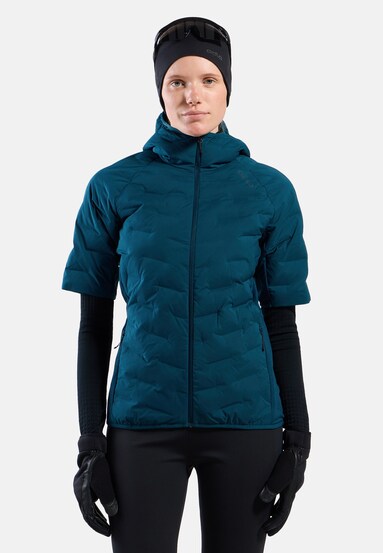
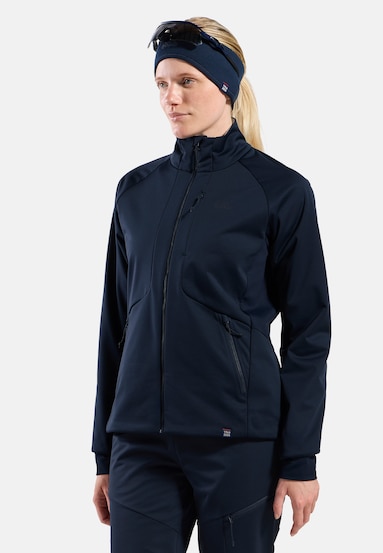
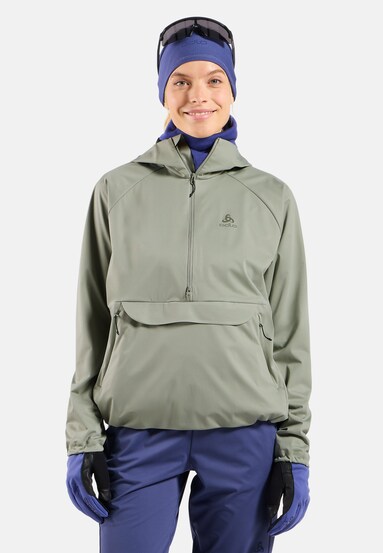
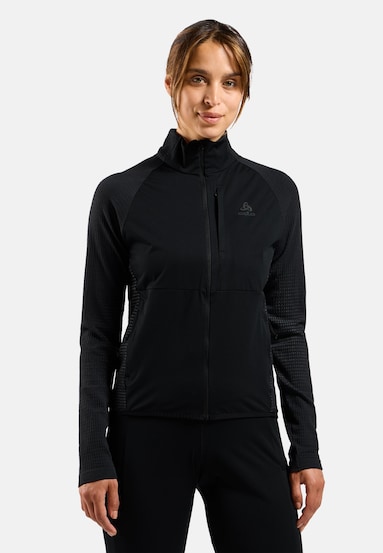
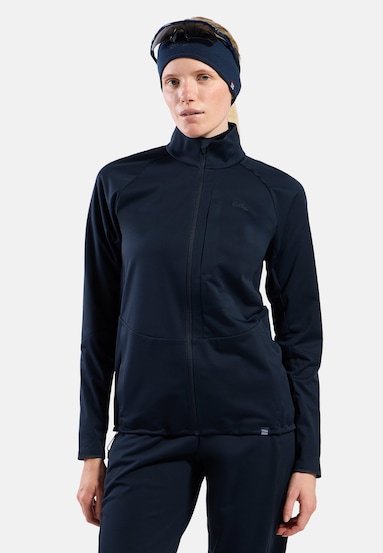
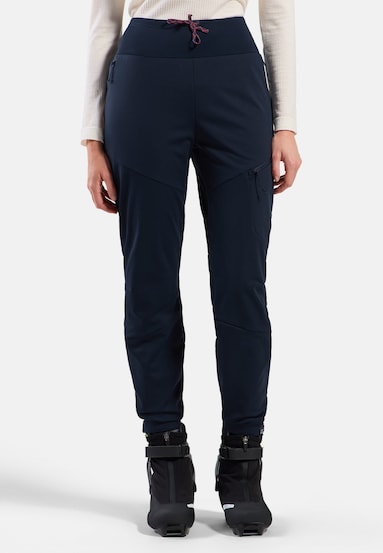
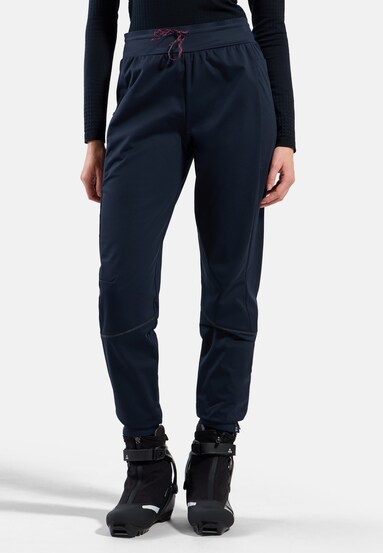
Cross-country ski clothing is a real technical kit. A good cross-country ski jacket protects against wind and cold while giving you the full range of motion your pole and stride technique demands, and reliably moves moisture away when the intensity builds. Three factors matter most when choosing: the right thermal insulation for the conditions you're skiing in, a close-to-body cut that doesn't restrict movement, and fast-drying materials that won't trap cold air against your skin when you stop.
Which cross-country ski trousers are right for you?
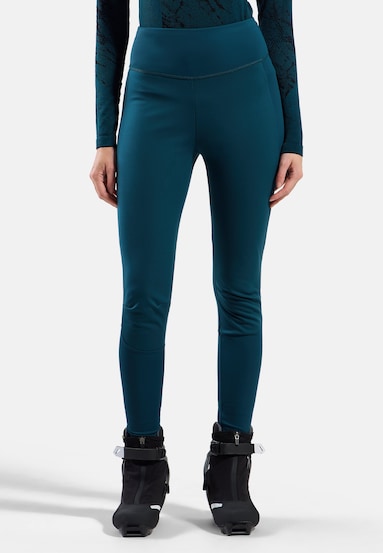
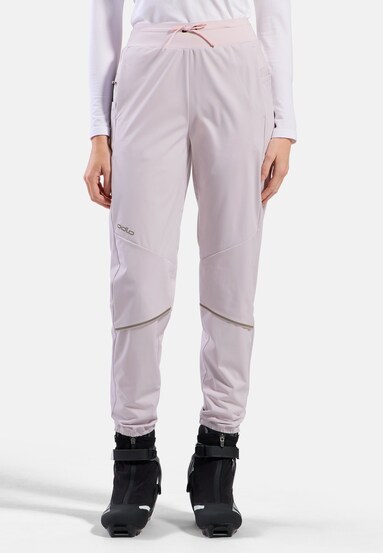
Cross-country skiing places very different demands on trousers than alpine skiing: you don't need rigid protective layers, you need ski trousers that feel like a second skin and follow every stride. Look for a four-way stretch fabric that supports your full leg extension, plus a soft-shell front panel that shields you from headwinds. A non-slip silicone band at the waistband and hem keeps everything in place as you glide. For cold trail conditions down to −10 °C, models with a warm front panel and a long side zip for easy on-and-off over ski boots are the practical choice.
How does an Odlo cross-country ski jacket protect against wind and cold?
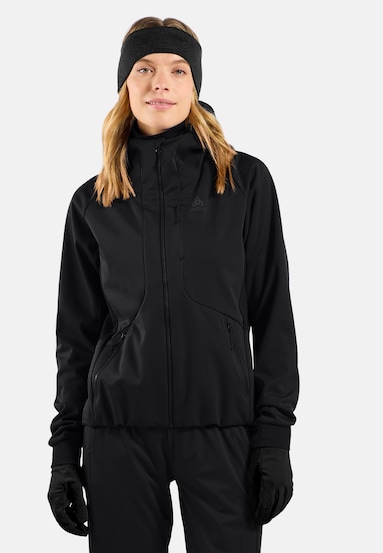
Odlo's windproof cross-country jackets for women use a three-layer softshell construction that blocks wind while actively channelling moisture to the outside. High-stretch jersey panels under the arms and rear ventilation openings prevent overheating even at high intensity. Adjustable hood, waistband and sleeve cuffs let you dial in a precise fit that gives wind nowhere to get in. Reflective detailing on both the front and back increases your visibility on the trails once the light drops.
What materials does Odlo use in women's cross-country skiing clothing?
The Odlo cross-country range uses two material approaches. Polyester-elastane fabrics deliver maximum freedom of movement, fast drying and lasting shape retention, ideal for high-intensity sessions where moisture management takes priority. For garments that combine warmth with moisture regulation, a Merino wool-polyamide blend comes into play. This combination brings together Merino wool's softness and odour resistance with polyamide's lightness and stretch. The Zeroweight jackets and tights add a water-repellent three-layer softshell for wind protection.
How does the Odlo layering system work for cross-country skiing?
Layering is especially important in cross-country skiing because body temperature can shift dramatically with pace. Your first layer is a close-fitting base layer that moves moisture directly away from your skin. Over that, in colder conditions, an insulating mid-layer such as a full-zip hoody with insulation in the torso adds targeted warmth. Your outer layer, the ski jacket, handles wind and weather protection. For trail conditions between −10 °C and 5°C, a Warm base layer combined with a windproof jacket is typically enough; at extreme cold between −20 °C to −5 °C, an X-Warm base layer or a mid-layer rounds out the system.
How do you care for your cross-country skiing clothing?
Synthetic cross-country jackets and trousers can be machine washed at 40°C, turn them inside out to protect prints and technical features. Always avoid fabric softener, as it damages the moisture-wicking properties of the fibres. Garments with a Merino content, such as the Zeroweight hybrid range, need gentler treatment: wash on a delicate cycle at no more than 30 °C with a wool-specific detergent to preserve the fabric's softness and elasticity. All pieces should ideally be air-dried as direct heat sources like radiators shorten the life of performance fibres.