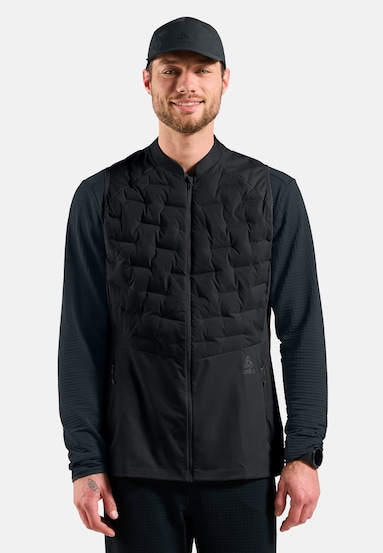
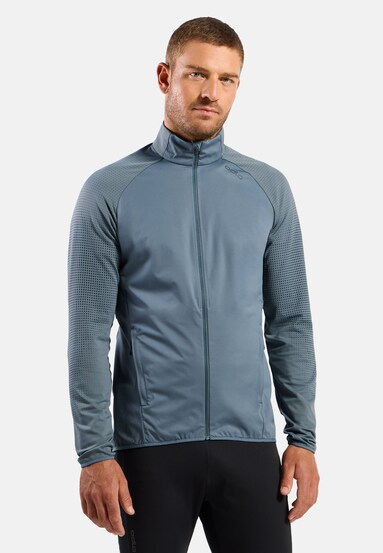
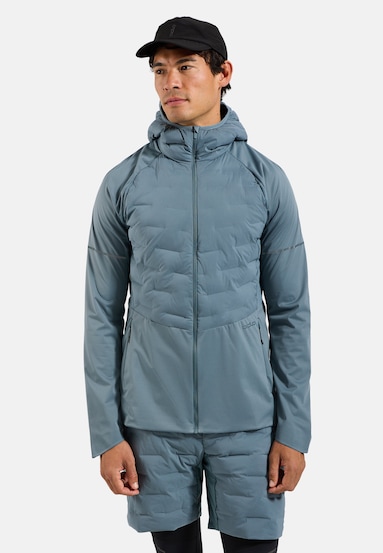
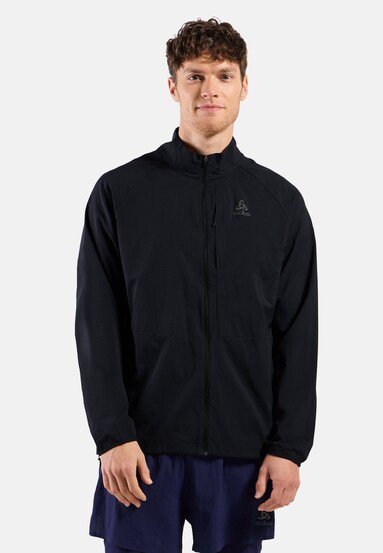
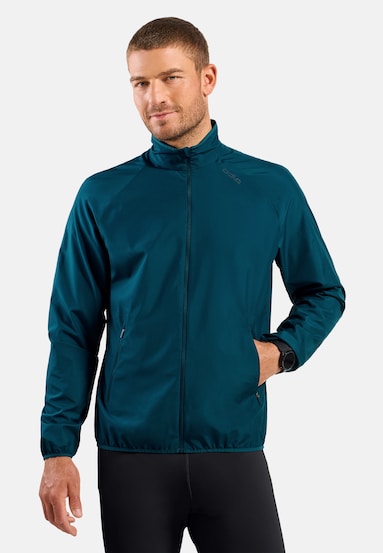
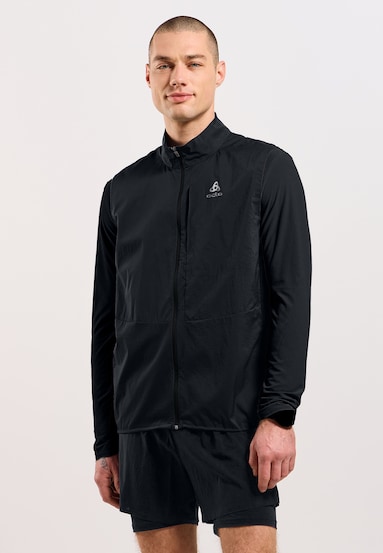
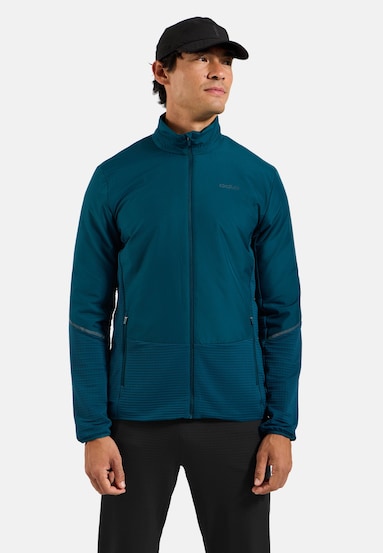
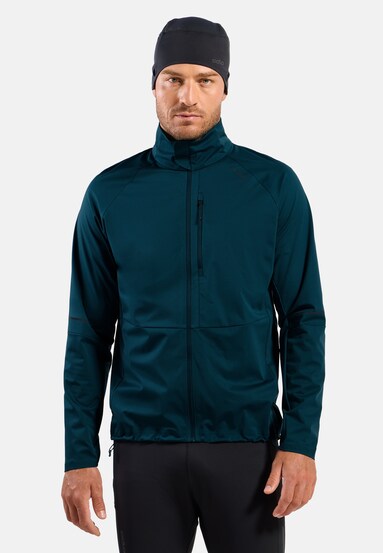
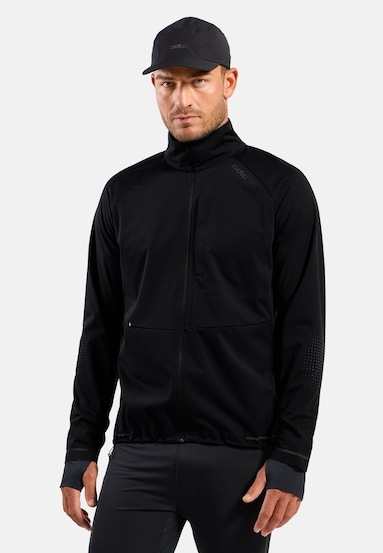
The right men's running jacket depends on the weather, your pace and the season. When it rains, waterproof rating and taped seams matter. In the in-between months, a light wind layer is often enough. A winter running jacket needs extra warmth, without leaving you overheated as you run. Here's what to look for in fabric, hood, ventilation and cut. That way you'll find a running jacket that protects you, moves with you and doesn't get in your way.
What should a good running jacket do in the rain?
A waterproof running jacket needs three things: a membrane, taped seams and enough breathability. With a 2.5-layer membrane, a running rain jacket has a waterproof rating of 10,000 mm. With Dual Dry, it reaches up to 20,000 mm and 50,000 MVP. On any men's running rain jacket, an adjustable hood with a peak and some stretch also make sense. The Dual Dry jacket weighs about 180 g in size L and has a waterproof zip.
Is a wind jacket enough for running?
For runs in the in-between seasons, a men's wind jacket for running is often enough. Mini ripstop blocks the wind, a PFC-free water-repellent finish adds protection, and the vent across the upper back lets air and moisture out. In steady rain or cold weather, it won't be enough. You'll need a waterproof or insulated jacket then. For cool, windy runs, a vest with a ventilated back works well too.
How do you avoid overheating in a running jacket in winter?
A thermal running jacket blocks wind and lets moisture escape. In any men's winter running jacket, ventilation zones, a magnetic collar you can open and laser-cut ventilation across the back help sweat vapour get out. If you tend to run at a moderate pace in the cold, the hybrid jacket with G-Loft insulation and breathable honeycomb fleece is a good fit. Open the collar as soon as you warm up.
Which base layers go under a running jacket?
A close-fitting base layer moves moisture away from your skin, while the jacket protects you from wind and rain. It's the three-layer principle Odlo introduced in 1986. For a men's winter running jacket, choose your warmth level: X-Light +15 °C to +25 °C, Light +5 °C to +20 °C, Warm −10 °C to +5 °C, X-Warm −20 °C to −5 °C. Merino resists odours: 160 g/m² is light, 200 g/m² is cooler-weather and 260 g/m² is for cold.
How important are reflectors on a winter running jacket?
In winter you're often running in twilight or darkness, so reflectors are essential. With a reflective running jacket, 360-degree reflection across the sleeves and thumb loops makes you visible from every angle. Hyper-reflective prints and tapes give you extra help in low light. Windproof jackets and vests also have reflective details, if you'd rather head out in a different layer.