Make it fair
People are at the heart of everything we do.
At Odlo, we believe that everyone involved in making our products should work in safe, dignified environments and earn a wage they can live on. But defining "fair" can be complex. Working conditions vary across countries, and systemic challenges make progress slow. That is why we take a structured, long-term approach. We start with our own operations and build partnerships that help us go further in our value chain.
Our work is guided by international standards, including the Guidelines for Multinational Enterprises on Responsible Business Conduct (OECD) and International Labour Organization (ILO) conventions, and shaped by our long-standing membership of Fair Wear Foundation. Over the past year, we strengthened how social performance informs our business decisions, integrating measurable indicators into our sourcing framework and laying the groundwork for a more transparent and accountable value chain.
We focus on two areas where we can have the most direct and lasting impact.
Fair working conditions
Committing to uphold fundamental human rights in our operations and across our value chain through structured due diligence, supplier engagement and continuous improvement. As a Fair Wear Foundation member since 2008, we hold ourselves to internationally recognised labour standards and invite independent review of our practices every year.
Our goal for this focus area is to maintain our Fair Wear Foundation Leader status, the organisation’s highest performance category, recognising members operating at an advanced level on fair working conditions. It is a distinction we are proud to hold and one that challenges us to keep improving.
Living wages
We take direct responsibility for living wage alignment in our own factory. Across our supplier network, we work towards fairer wages by tracking wage data, engaging suppliers and advocating for industry-wide progress.
Our goal for this focus area is to maintain living wage alignment in our own operations.


HOW MAKE IT FAIR COMES TO LIFE
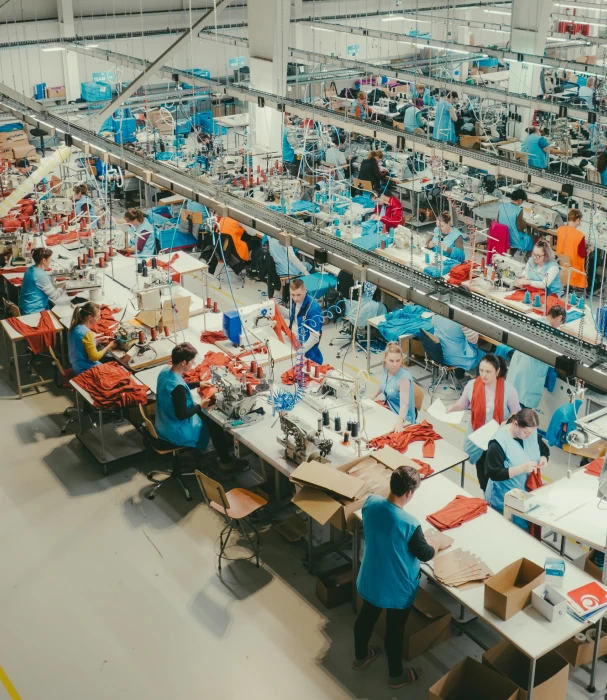
Make it Fair is built on four connected areas of work. Fair Working Conditions set the standards we uphold with every supplier. Human Rights and Environmental Due Diligence gives us the system to identify and address risks across our value chain. Our Own Factory in Romania is where we test new approaches, put best practices into action and learn what fair looks like in practice. Living Wage is where we track progress, close gaps and collaborate for change beyond our own business.
Read more about each area below.
What we’re doing
Here’s how we’re putting our commitment into action:


Why it Matters
Ensuring fair working conditions is not only the right thing to do, it also builds a more stable, resilient supply chain. Workers who are treated fairly are more likely to stay, speak up and contribute to continuous improvement. It also matters to our teams. Research shows that people want to work for companies that act responsibly, not just in how they manage their environmental impact, but also in how they treat people. Ultimately fairness in our supply chain supports long-term business health, deepens relationships and helps create the kind of company people are proud to work for and partner with.
GLOSSARY
OECD Guidelines for Multinational Enterprises on Responsible Business Conduct – Government-backed recommendations for multinational companies on responsible business conduct, covering areas including human rights, employment, the environment and disclosure.
OECD Guidelines for Multinational Enterprises on Responsible Business Conduct | OECD
ILO conventions – International labour standards developed by the International Labour Organization. When ratified by a country, conventions are legally binding treaties that set out fundamental principles and rights at work.
Conventions, Protocols and Recommendations | International Labour Organization
Fair Wear Foundation – A multi-stakeholder initiative that works with brands, suppliers, workers and civil society to strengthen human rights and environmental due diligence and improve working conditions in garment and textile supply chains.
Human rights and environmental due diligence (HREDD) – An ongoing process used to identify, prevent, mitigate and account for actual and potential adverse impacts in a company’s operations and value chain.
Living wage – The wage needed for workers and their families to afford a decent standard of living, based on local circumstances and normal working hours.
Living wages | International Labour Organization
Value chain – All activities and business relationships involved in creating and delivering a product, from raw materials and manufacturing to transport, sales, use and end of life.
FRESH READS
Most recent sustainability stories


