New
Delivery in 6-10 business days with UPS WE. Free shipping over $150. Customs duties paid
30-day return window. Didn’t fit? Return it.
Sign up for our newsletter and enjoy 10% off your next order.
Exceptional protection. Elemental comfort. Shop our range of outdoor jackets.
Weather
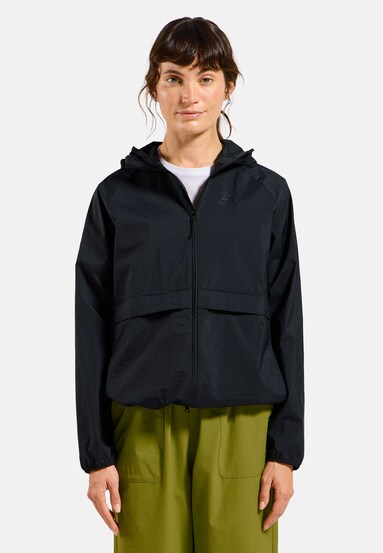
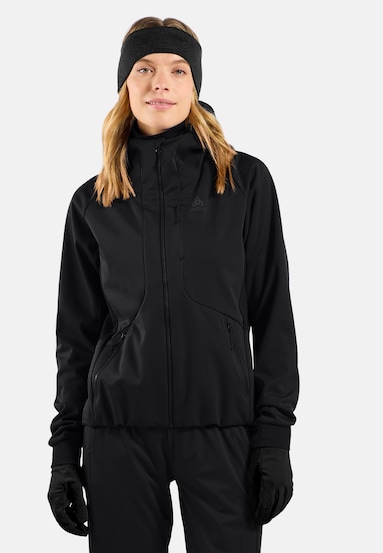
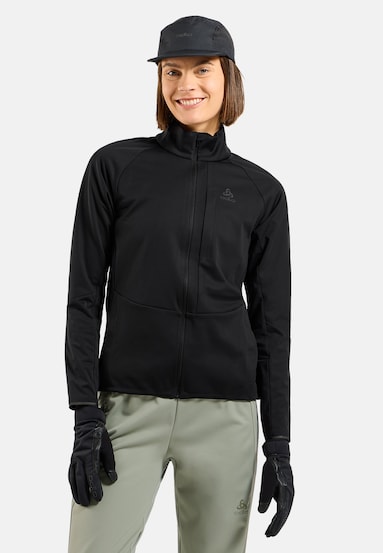
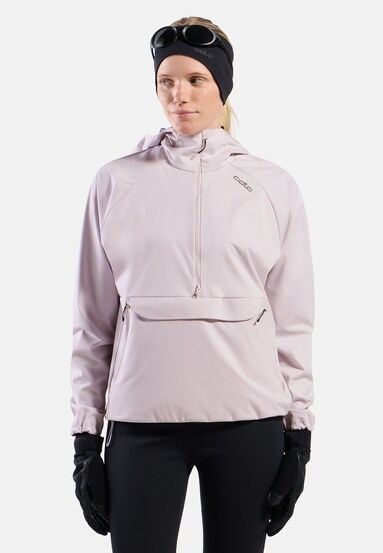
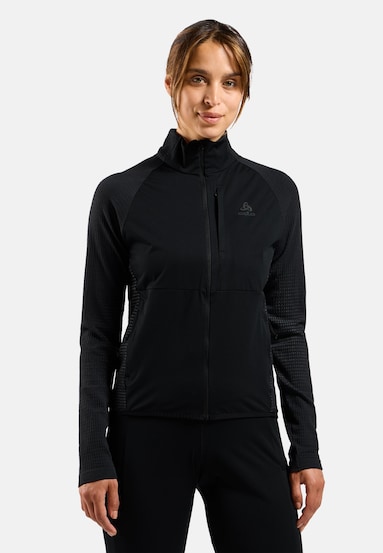
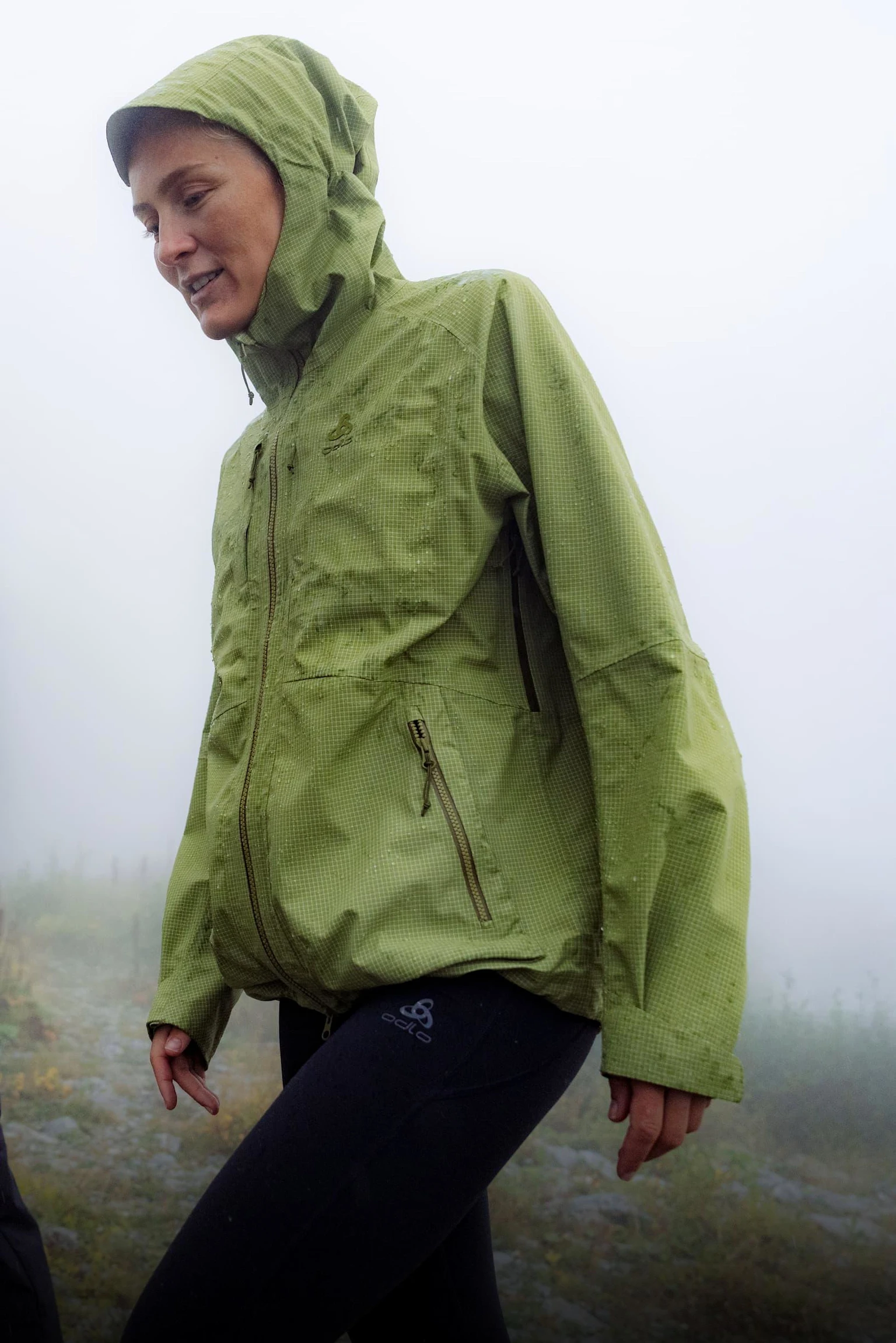
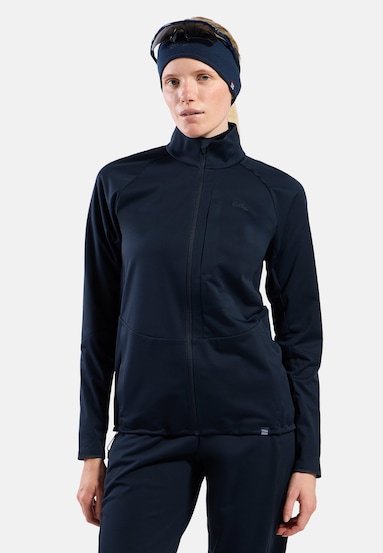
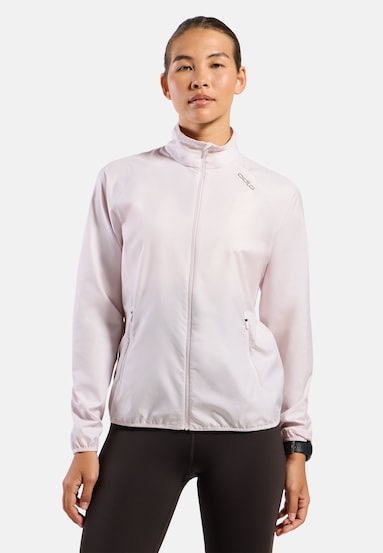
A women's outdoor jacket is more than weather protection — it's an active part of your layering system. Whether you're after a waterproof shell for wet autumn runs, a lightweight windproof vest for cool hikes, or a warm insulated jacket for a winter day in the mountains, the key decisions come down to three things: waterproofing and breathability in hardshell jackets, insulation type in puffer styles, and weight and packability for transitional use. Choose by activity, not by season.
A functional jacket is a technical piece of clothing built specifically around the demands of sport and outdoor activity — and it's fundamentally different from a fashion jacket. It's made from materials designed to block rain, wind or cold while actively releasing body heat and moisture. Odlo's women's jacket range covers several types: waterproof hardshell jackets with sealed seams and water columns from 10,000 mm upwards, lightweight windbreakers made for instance from ripstop fabric with recycled content, insulated jackets filled with synthetic materials like G-Loft Eco or Primaloft, and hybrid models that combine insulation with breathable zones. The right type depends on how active you're being and what conditions you're heading into.
The DWR coating on a rain jacket wears down over time through washing, dirt and general wear. To restore it, start by washing the jacket according to the care label — for waterproof jackets, tumble drying is actually recommended, since low heat reactivates the DWR fibres. Never use fabric softener, as it damages the membrane. After washing, put the jacket in the dryer on a low setting or iron it inside out on a medium heat to reactivate the coating. If water is no longer beading and rolling off the surface, treat the jacket with a DWR spray or wash-in waterproofing product. Regular care extends the jacket's performance and lifespan significantly.
The terms are often used interchangeably, but they refer to technically different types of insulation. A down jacket is filled with duck or goose feathers and offers an exceptional warmth-to-weight ratio — but it loses its insulating properties when wet. A puffer jacket is simply any jacket with quilted chambers; the fill can be down or synthetic wadding. Odlo uses synthetic insulation materials like G-Loft Eco and Primaloft ThermoPlume in its insulated jackets: these retain their warmth even when damp, dry quickly and are easier to care for. For active alpine use and wet conditions, a synthetically insulated jacket is the more reliable choice.
For the shoulder seasons — spring and autumn — you need a jacket that's light enough to prevent overheating but offers enough protection when the weather turns. Lightweight softshell jackets and windproof vests strike that balance well, combining freedom of movement with wind resistance and light water repellency. Odlo offers packable windbreakers made from recycled fabrics that stuff into their own pocket — practical for hikes or runs where conditions can change quickly. If you need a little more warmth, go for a lightweight hybrid jacket with a fleece interior, which combines insulation with breathability in one piece.
A high-quality functional jacket will last many years with the right care. The most important factor is washing it regularly according to the care label — dirt and body oils degrade the membrane and DWR coating over time. For waterproof jackets, tumble dry on a low heat after washing to reactivate the water-repellent treatment. Avoid fabric softener and aggressive detergents. Before storing, close all zips and keep the jacket in a dry, well-ventilated space. Consistent care makes a real difference to how long technical materials perform at their best.