
guides
Hiking guide
Hiking through every season and condition.
Hiking means moving through changing conditions. Cool starts turn into warm climbs, wind picks up, clouds roll in and conditions shift when you least expect it. The key isn’t to predict it all - it’s to be ready for it. To stay comfortable from "wanderweg" to summit, we rely on the proven three-layer principle.
Each layer has a role:
- The base layer manages moisture
- The mid layer provides warmth
- The outer layer protects from the elements
Together, they work with your body, helping you stay comfortable and protected as the weather, and your pace, shift.
Plan your hike, season by season and find the right balance between protection, breathability and freedom of movement.
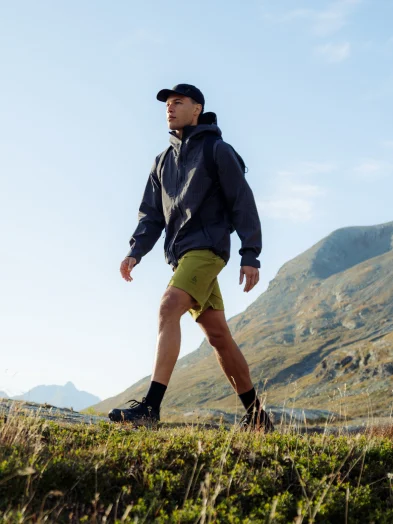
Spring Hiking
Layer for cool starts and shifting weather
+5°C to +15°C
Unpredictable weather is part of spring hiking. A cool kick off gives way to warmer climbs, with wind or rain close behind. Focus on layers you can easily adjust as conditions shift. Choose breathable, moisture-wicking base layers such as merino or lightweight synthetics to regulate your temperature. For early starts or higher grounds, bring a light mid layer and keep a packable shell close for any sudden changes. Pro tip: Start slightly cool - you’ll warm up quickly once you’re moving. Keep a light shell within reach for unpredictable weather.

Summer Hiking
Stay cool, dry and protected from the sun
+15°C to +30°C
Heat, sun exposure and sudden storms can define summer hikes. Long climbs and high temperatures demand lightweight layers that breathe and dry fast. Choose base layers with merino to help you regulate and stay comfortable on the move. You might think mid layers are rarely needed, but packing an ultra-light windbreaker or emergency shell is essential when conditions shift. Pro tip: At altitudes where sun exposure is stronger, choose a cap to provide added shade. Add lightweight shorts or hiking pants, plus sunglasses for long days outdoors. And don't forget to properly hydrate!
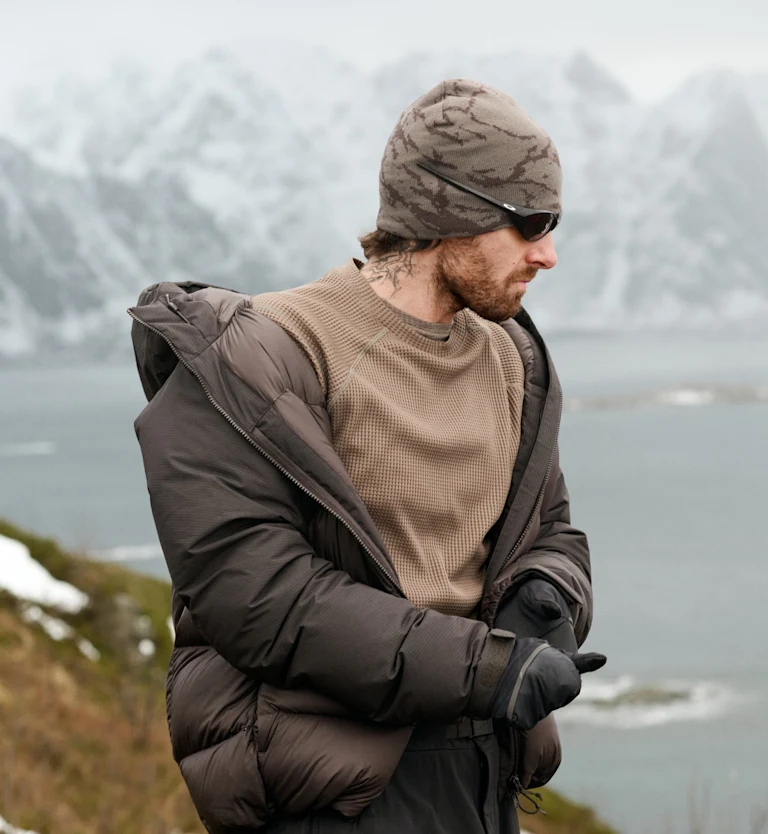
Fall Hiking
Balance warmth and breathability on the trail
+5°C to +15°C
Fall is made for layering. Think crisp mornings, cooler air and changing weather, which means your clothing needs to adapt as you move. Choose slightly warmer base layers like merino to manage moisture and retain comfort, and add a breathable fleece or light mid layer to hold warmth without overheating. Finally, a windproof or waterproof jacket helps you stay protected as you face shifting conditions. Pro tip: Pack a warm hat and light gloves as temperatures drop quickly at elevation. With shorter days, carrying a headlamp is always a smart addition.
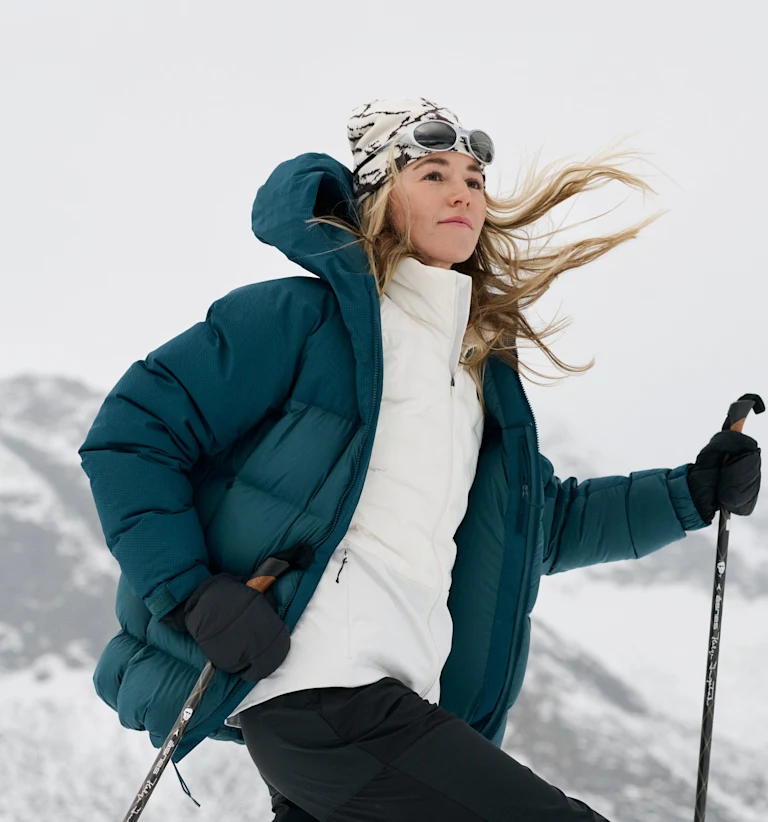
Winter Hiking
Stay warm and protected in cold conditions
-10°C to +5°C
Winter hikes usually translate to colder, windier and, on occasion, snowier conditions. Low temperatures and reduced activity at times make reliable layering essential for this season. Start with a warm, moisture-regulating base layer like Active Warm or Performance Wool, add an insulating mid layer to retain heat and finish with a down jacket to shield against the elements. Pro tip: Protect exposed areas: a warm hat, insulated gloves and a neck gaiter help reduce heat loss. Choose breathable socks and waterproof footwear, and consider gaiters to keep snow out on deeper trails.

Explore More Outdoor Guides
From one outdoor enthusiast to another. Guides to answer all your questions.


